
Sauces & Condiments
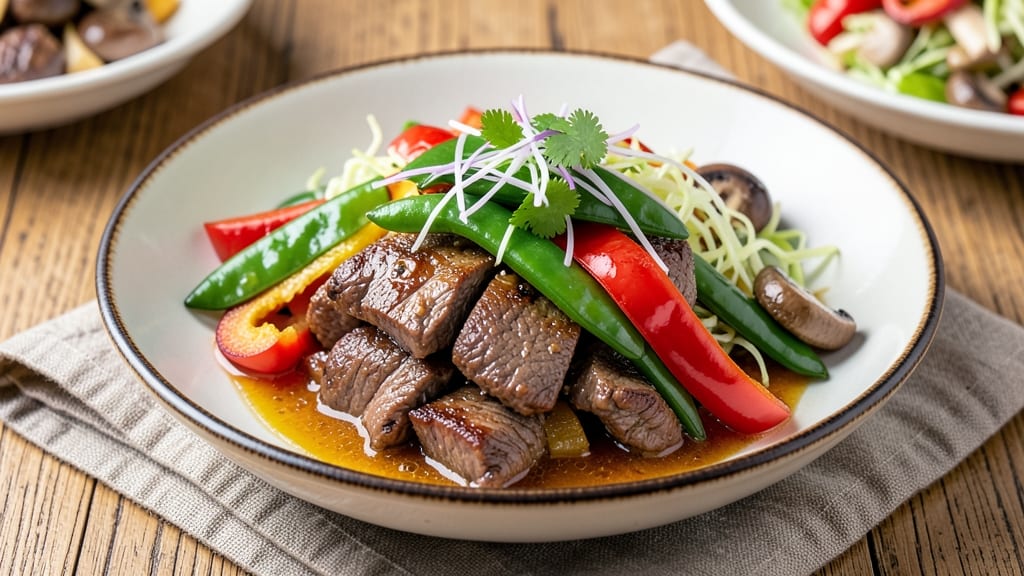
This beef and veggie stir fry sauce recipe delivers the bold umami gloss that transforms wok-tossed dishes into restaurant-quality masterpieces. The secret lies in balancing salty soy, briny oyster sauce, and sweet honey—creating a sauce that clings to every piece of beef and vegetable while adding layers of complexity.
I developed this version after testing countless combinations, and it consistently delivers that perfect sweet-savory-salty harmony that makes stir fry sing.
The foundation starts with a simple sauce base of soy sauce, oyster sauce, and a touch of honey for balance, but it's the aromatics that elevate it to next-level flavor. Fresh garlic and ginger are sautéed until fragrant, while a splash of rice vinegar brightens the depth.
For that signature glossy finish, a cornstarch slurry thickens the sauce just enough to coat ingredients beautifully without being gluey. The result is a sauce that's rich yet light, perfect for tossing with tender beef and crisp vegetables.
What makes this sauce truly special is its versatility—it works equally well for quick weeknight stir fries or impressive dinner parties. The sauce keeps beautifully in the refrigerator for up to 5 days, making it ideal for meal prep.
Whether you're cooking beef, chicken, shrimp, or even tofu, this sauce adds that professional-quality sheen and depth that takes home cooking to the next level. The key is letting it simmer until thickened properly, ensuring every bite is coated in that perfect umami gloss.
For best results, use this sauce immediately after thickening, as it continues to develop flavor as it cools. Store leftovers in an airtight container in the fridge, and give it a quick stir before reheating to restore that glossy texture.
The balance of ingredients ensures it won't overpower your stir fry, but rather enhances every component with its rich, complex flavor profile. This is the sauce that will have everyone asking for your recipe—it's that good.
Ingredients for beef and veggie stir fry sauce
Nine ingredients that create restaurant-quality stir fry sauce with bold umami gloss.
| Ingredient | Amount | Notes |
|---|---|---|
| Light Soy Sauce 🥢 | ½ cup | Use high-quality brand like Kikkoman |
| Oyster Sauce 🦪 | ½ cup | Look for Lee Kum Kee for authentic flavor |
| Honey 🍯 | 2 tbsp | Wildflower for floral depth |
| Rice Vinegar 🍶 | 2 tbsp | Seasoned for extra brightness |
| Garlic Cloves 🧄 | 6 cloves | Freshly minced for maximum aroma |
| Fresh Ginger 🌿 | 1 tbsp | Finely grated, peel included |
| Sesame Oil 🫒 | 1 tbsp | Toasted for nutty aroma |
| Cornstarch 🌾 | 1 tbsp | For perfect glossy finish |
| Water 💧 | 2 tbsp | Room temperature preferred |
| Red Pepper Flakes 🌶️ | ½ tsp | Adjust for heat preference |
| Salt 🧂 | ½ tsp | Kosher or sea salt |
The sauce starts with two powerhouse ingredients: Lee Kum Kee oyster sauce and Kikkoman soy sauce—both essential for that authentic umami depth. Grab them at Asian markets or the international aisle at Whole Foods or Trader Joe's for the best quality. Fresh garlic and ginger are non-negotiable here; pre-minced jarred versions just won't cut it. Costco sells massive jars of ginger root that last forever, and I always keep a head of garlic in my pantry. The honey should be wildflower or clover—avoid the processed stuff that lacks depth. For sesame oil, Kadoya is my go-to brand, but any toasted sesame oil works if you can't find it.
No oyster sauce? Fish sauce plus a splash of soy sauce gets you close—just reduce the soy slightly. Fresh ginger too expensive? Ground ginger at half the amount works in a pinch, though it lacks that fresh zing. Running low on cornstarch? Arrowroot powder thickens just as well. The red pepper flakes can be swapped for cayenne at one-third the amount if you want more heat. For extra richness, add 1 tbsp of peanut butter to the sauce—it sounds weird, but it adds incredible depth. The sauce should be glossy and coat the back of a spoon when finished; if it's too thin, add more cornstarch slurry (1 tsp cornstarch + 1 tsp water).
This sauce is a meal prep dream—stores perfectly in an airtight container in the fridge for up to 5 days, though it actually tastes better after a day or two as flavors meld. For longer storage, freeze in ice cube trays and pop out what you need. The sauce thickens as it cools, so give it a quick stir and maybe a splash of water before using. I always double the batch because it disappears faster than you'd think. Perfect for tossing with beef, chicken, shrimp, or even crispy tofu—just adjust cooking time based on your protein.
Why You'll Love This Recipe
- Five-Ingredient Magic: I swear by this sauce—just mix soy, oyster, honey, vinegar, and garlic. That’s it. No fancy techniques, just stir and taste as you go.
- Umami Bomb: The oyster sauce and soy sauce combo hits different—deep, salty-sweet with a tangy kick from the vinegar. Honestly, it’s the kind of flavor that makes you want to eat it straight from the spoon.
- Meal Prep MVP: This sauce keeps for days in the fridge, so I make a big batch on Sundays. Toss it with pre-cut veggies and frozen beef for a grab-and-go lunch all week—no reheating drama.
- Budget-Friendly Flex: A splash of honey and a clove of garlic stretch this sauce far. I’ve used it for stir-fries, marinades, even drizzled it over rice bowls. Between us, it’s my wallet’s best friend.
Step-by-step instructions for bold umami stir fry sauce
This sauce delivers restaurant-quality depth with just a few simple techniques—let's create that glossy, flavor-packed finish.
🍳 Step 1: Bloom the Aromatics in Toasted Sesame Oil
Heat a small saucepan over medium-low heat and add the 1 tablespoon sesame oil. Let it warm until just shimmering—this ensures maximum aroma extraction. Add the 6 minced garlic cloves and 1 tablespoon finely grated ginger, cooking for 30 seconds until fragrant but not browned.
Here's where the magic starts: the sesame oil carries those pungent aromatics while preventing burning. Watch closely—ginger burns faster than garlic. If you see any color developing, remove the pan immediately. These aromatics form the flavor foundation for your entire sauce.
🥘 Step 2: Combine Wet Ingredients for Balanced Flavor
In a medium bowl, whisk together the 0.5 cup light soy sauce, 0.5 cup oyster sauce, 2 tablespoons honey, and 2 tablespoons rice vinegar until fully blended. The honey and vinegar should dissolve completely—this creates that perfect balance of sweet, tangy, and salty.
I like to add the 0.5 teaspoon red pepper flakes and 0.5 teaspoon salt at this stage so they're evenly distributed. Give everything a final stir to ensure no pockets of undissolved honey remain. This mixture should smell complex—bright, umami-rich, and slightly spicy.
🍳 Step 3: Thicken the Sauce with Cornstarch Slurry
In a separate small bowl, whisk the 1 tablespoon cornstarch with the 2 tablespoons water until completely smooth. This creates your thickening agent. Pour this slurry into the saucepan with the aromatics and bring to a gentle simmer over medium heat.
Stir constantly for 2-3 minutes until the sauce thickens to a glossy consistency—it should coat the back of a spoon. If it thickens too quickly, add 1 tablespoon water to adjust. The sauce should be silky but still pourable, not gluey. This is where you'll get that signature wok-tossed shine.
⏰ Step 4: Finish with Heat and Rest Before Using
Return the sauce to low heat and stir in the wet ingredient mixture you prepared earlier. Simmer for 1-2 minutes until everything is fully incorporated and heated through. The sauce should be vibrant, glossy, and ready to coat your stir fry perfectly.
Let the sauce rest for 5 minutes before using—this allows all the flavors to meld completely. The sauce will thicken slightly more as it cools, so don't worry if it looks perfect immediately. This resting period ensures maximum flavor impact when you toss it with your beef and veggies.
Pro Tips For Making Beef And Veggie Stir Fry Sauce
- Bloom the Garlic: Crush those cloves with the flat side of your knife first—it releases more flavor without burning. I used to minced them raw, and the sauce always tasted flat. A quick smash and a 30-second sizzle in hot oil is all it needs.
- Simmer, Don’t Boil: Keep the sauce at a gentle bubble, not a rolling boil, or the honey will turn bitter and the rice vinegar will evaporate too fast. I learned this after one disastrous batch where the sauce tasted like overcooked caramel. Low and slow keeps everything balanced.
- Salt the Soy First: Mix a pinch of salt into the light soy sauce before adding it to the sauce—it cuts through the bitterness and rounds out the flavor. I was skeptical until I tried it; now I can’t imagine skipping it. Works especially well if your soy sauce is cheap or salty.
- Balance the Vinegar Last: Add the rice vinegar at the very end and taste immediately—it’s easy to overdo it. A splash too much and your sauce goes from tangy to sour. Start with half the amount, then adjust. (Yes, even if you’re impatient like me.)
Essential equipment for this recipe
Wok Essentials
Your carbon steel wok is the ultimate tool for this sauce—it heats evenly and develops a natural nonstick patina over time. I recommend a 14-inch wok from Made In or Trader Joe's for the best balance of affordability and performance.
For beginners, a nonstick wok works too, but avoid cooking at high heat to prevent damage. 🔥
Pair it with a wooden spoon (like OXO Good Grips) for stirring—it won’t scratch your wok or saucepan. A heat-resistant silicone spatula is also handy for scraping up every last drop of sauce.
If you don’t have a wok, a heavy-bottomed stainless steel skillet (like All-Clad) works in a pinch, though it may require slightly lower heat to prevent scorching.
Sauce Thickening Tools
A small whisk (I use OXO Good Grips) is essential for creating that perfect cornstarch slurry—it ensures no lumps form. For precise measurements, grab a digital kitchen scale (like Escali Primo) to weigh your cornstarch for consistency.
A fine-mesh strainer (like OXO) helps if you prefer your sauce smooth, filtering out any accidental ginger bits.
If you’re making this sauce ahead, a glass measuring cup with markings lets you monitor thickness adjustments easily. For storage, amber glass jars (like Le Parfait) preserve the sauce’s color and flavor better than clear containers, which can degrade under light. 💧
Heat Control Accessories
An instant-read thermometer (like ThermoWorks Thermapen) helps monitor your sauce’s temperature—ideal simmer range is 190-200°F. A silicon pot holder (like OXO Good Grips) protects your hands when transferring hot sauce to your stir fry.
For extra safety, keep a small bowl of ice water nearby to quickly cool the sauce if it thickens too fast.
If you’re cooking outdoors, a camp stove with adjustable burners (like Camp Chef) gives you better heat control than a grill. For indoor cooking, a gas stove heats faster and more evenly than electric—critical for achieving that glossy finish.
A timer (even your phone works) ensures you don’t overcook the aromatics. ⏰
Nutrition facts
Frequently asked questions
Can I make this sauce without oyster sauce?
For a vegetarian version, replace the oyster sauce with 1/2 cup soy sauce plus 1 tablespoon fish sauce (or 1 tbsp miso paste for vegan). The sauce will still develop rich umami, though the texture may be slightly thinner. For extra depth, add 1 tbsp peanut butter or 1 tsp mushroom powder to mimic oyster sauce's savory notes.
How do I adjust the heat level in this sauce?
Start with the 0.5 tsp red pepper flakes as written for mild heat. For medium heat, increase to 1 tsp, and for spicy, use 1.5-2 tsp. Need more control? Swap the flakes for 1/4 tsp cayenne pepper—it disperses better and gives consistent heat. Always taste as you go!
Why did my sauce turn out too thick/thin?
Too thick? Thin with 1 tsp water at a time while stirring constantly. Too thin? Make a new slurry of 1 tsp cornstarch + 1 tsp water, simmer for 1-2 minutes, and adjust. The ideal consistency coats the back of a spoon but remains pourable. Remember: sauces thicken as they cool!
Can I use this sauce for other proteins besides beef?
This sauce works beautifully with chicken, shrimp, tofu, or pork. For seafood, reduce the honey to 1 tbsp to prevent overpowering delicate flavors. With tofu, add 1/2 tsp baking soda to the sauce to help it cling better. The umami balance makes it versatile for any stir-fry protein!
How long will this sauce keep in the fridge?
The sauce stays fresh for 5-7 days in an airtight container. For longer storage, freeze in ice cube trays—thaw overnight in the fridge. The texture may separate slightly when frozen, but a quick stir restores it. Pro tip: Label with the date to track freshness!