
Soups & Stews
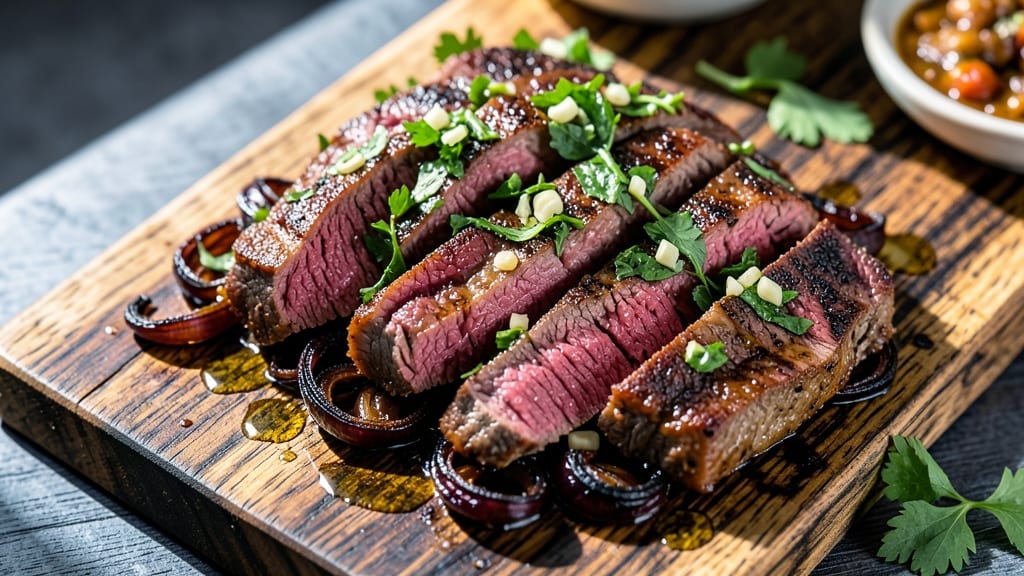
This Argentine beef asado recipe from Argentina transforms your backyard into a Buenos Aires parrilla, where smoky, juicy meat and vibrant chimichurri create a celebration of flavor and tradition. The secret lies in slow-cooked, tender beef that develops a deep, caramelized crust while staying perfectly pink inside—achieved through precise grilling techniques passed down through generations.
What sets this dish apart is the chimichurri sauce, a bright green blend of parsley, garlic, and red wine vinegar that cuts through the richness of the beef with its tangy, herbaceous punch.
The sauce isn’t just an afterthought; it’s the soul of the meal, drizzled generously over every bite to elevate the experience from ordinary to extraordinary.
By the time you’re done, you’ll have a centerpiece dish that’s as much about the ritual as the result—juicy beef that falls apart at the touch of a fork, paired with grilled vegetables and crusty bread to soak up every last drop of chimichurri.
This isn’t just a recipe; it’s an invitation to gather, grill, and savor like Argentines do.
The key to success lies in patience: marinating the beef overnight, grilling it low and slow, and letting it rest before serving. The result? A meal that’s worth every minute of preparation, with flavors that transport you straight to the pampas. Let’s get started.
Ingredients for beef asado argentina
Six ingredients for the beef, six for the chimichurri—just enough to feel like a Buenos Aires feast.
| Ingredient | Amount | Notes |
|---|---|---|
| Argentine Flank Steak 🥩 | 4 lb | Thick-cut, well-marbled preferred |
| Fresh Flat-Leaf Parsley 🌿 | 1 ½ cups | Stems removed, loosely packed |
| Garlic Cloves 🧄 | 12 cloves | Fresh, peeled, slightly crushed |
| Red Wine Vinegar 🍷 | ½ cup | Malbec preferred for authenticity |
| Extra-Virgin Olive Oil 🫒 | 1 cup | High quality, fruity variety |
| Kosher Salt 🧂 | 2 tbsp | Diamond Crystal preferred |
| Ground Black Pepper 🌶️ | 1 tbsp | Freshly cracked preferred |
| Red Chili Flakes 🌶️ | 1 tsp | Optional for heat (Argentines love it) |
| Red Onions 🧅 | 2 whole | Thinly sliced for grilling |
| Russet Potatoes 🥔 | 4 large | Halved, skin-on for grilling |
| Crusty Bread 🍞 | 1 loaf | Baguette or rustic Italian style |
| Wood Chips 🔥 | 2 cups | Quebracho or mesquite preferred |
| Lemon Wedges 🍋 | 4 whole | For serving, fresh squeezed |
The beef is everything here. Argentine flank steak is the gold standard—ask your butcher for a thick-cut piece with good marbling. If you can't find it, New York strip or ribeye work in a pinch. The wood chips? Quebracho is traditional, but mesquite or hickory from the grocery store will do. Buy them pre-soaked if you're not grilling right away. The parsley needs to be fresh—flat-leaf, not curly—and the more you pack in, the brighter your chimichurri will be. I always grab a big bunch and use half for the sauce, half for garnish.
No red wine vinegar? Balsamic vinegar works in a bind, but it won't have that same bright acidity. The olive oil should be extra-virgin and fruity—none of that cheap cooking oil. For the chimichurri, if you're short on garlic, double the parsley and add an extra splash of vinegar. The red onions can be swapped for yellow or white, but red gives that classic pink hue when grilled. And if you're feeling fancy, add a pinch of oregano to the chimichurri—it's a secret Argentinian trick. The potatoes? Russets or Yukon Golds hold up best on the grill.
The beef marinates best overnight, but even 4 hours makes a difference. Chimichurri keeps for 3 days in the fridge, covered with a thin layer of olive oil to preserve the color. The wood chips? Store them dry in a sealed container—they'll last months. Grill the bread just before serving so it stays crisp. And always, ALWAYS let the meat rest for 10 minutes after grilling. That's when all the juices redistribute, and that's when it becomes magic.
Why You'll Love This Recipe
- No-Fuss Prep: I’ll be real—this recipe is that easy. The flank steak just needs a quick rub of olive oil, garlic, and parsley, then a 10-minute marinade in red wine vinegar. Honestly, I’ve made it while chatting with friends who wandered in mid-cooking.
- Umami Bomb: That vinegar and garlic combo? It’s like a flavor grenade—bright, punchy, and lingering. The flank steak stays juicy with a crust that’s dangerously good, especially when sliced against the grain. (Yes, even on a Tuesday night.)
- Weeknight or Weekend: Throw it on the grill for summer BBQs or sear it in a cast-iron for a cozy weeknight. The leftovers? Perfect for tacos, sandwiches, or reheated with a fried egg. My kids beg for it cold in wraps—no shame.
- Budget-Friendly Powerhouse: Flank steak stretches far, and the ingredients cost pennies. A single pound feeds four, and the marinade doubles as a quick sauce. I’ve fed a crowd for under $15—no fancy cuts, just pure satisfaction.
Step-by-step instructions for beef asado Argentina recipe
Let's bring authentic Argentine flavor to your grill with this smoky, chimichurri-kissed masterpiece.
Prepare the Chimichurri Sauce
In a food processor, combine the 1.5 cups fresh flat-leaf parsley, 12 cloves garlic, 1 tsp red chili flakes, 2 tbsp kosher salt, and 1 tbsp ground black pepper. Pulse until finely chopped but not puréed. With the machine running, slowly drizzle in the 1 cup extra-virgin olive oil and 0.5 cup red wine vinegar until fully incorporated. You want a vibrant green sauce that's thick enough to cling but still flows smoothly.
Taste and adjust seasoning - Argentines love bold flavors, so don't hold back. Transfer to a bowl and set aside. This sauce should sit for at least 30 minutes before using to let the flavors meld. The acidity will brighten as it rests, cutting through the richness of the beef.
Season and Prep the Argentine Flank Steak
Pat the 4 lb Argentine flank steak completely dry with paper towels - moisture is the enemy of perfect sear. Generously season both sides with additional 2 tbsp kosher salt and 1 tbsp ground black pepper, pressing the seasoning into the meat. Let it sit at room temperature for 1 hour while you prepare the grill.
This resting period ensures even cooking. The salt will penetrate the surface, creating that signature crust while keeping the interior juicy. Don't skip this step - cold meat cooks unevenly and can lead to tough results.
Set Up the Smoky Grill
Fill a chimney starter with 2 cups wood chips (quebracho or mesquite preferred) and soak them in water for 30 minutes. When ready, light the chimney and let the wood chips smolder until they produce blue smoke (about 15-20 minutes). Spread the hot coals evenly across your grill grates, maintaining medium-high heat. You want to see clean, wispy smoke curling upward - this is what gives asado its signature flavor.
While the grill heats, slice the 2 whole red onions into ¼-inch rings and halve the 4 large russet potatoes lengthwise, keeping the skins on. Toss the onions and potatoes with 1 tbsp olive oil, 1 tsp salt, and ½ tsp black pepper. These will join the steak on the grill for a complete asado experience.
Grill the Flank Steak to Perfection
Place the seasoned steak on the hottest part of the grill, away from direct flame. Sear for 4-5 minutes per side until deep brown crust forms. You'll see the edges start to crisp and pull away slightly from the grill - this is your signal to flip. For medium-rare doneness, aim for an internal temperature of 130-135°F when measured with a meat thermometer.
After searing, move the steak to indirect heat and continue cooking for 5-7 minutes until reaching your desired doneness. The smoke should infuse the meat during this time. Let the steak rest for 10 minutes before slicing against the grain into ¼-inch thick strips. This resting period is crucial - it allows juices to redistribute, preventing them from running out when you cut.
Assemble the Complete Asado
While the steak rests, grill the onion rings and potato halves until golden brown and tender (about 10-12 minutes). Keep them warm on the grill. Slice the 1 loaf crusty bread into ½-inch thick pieces and toast on the grill until crispy.
To serve, arrange the sliced steak, grilled potatoes, and onions on a large platter. Drizzle generously with the chimichurri sauce and serve with the toasted bread and 4 whole lemon wedges for squeezing. The acidity from the lemon will cut through the richness, balancing every bite. This is where the magic happens - the smoky beef, vibrant chimichurri, and crispy sides come together in perfect harmony.
Pro Tips For Making Beef Asado Argentina
- Slice Against the Grain: That flank steak’s stubborn fibers will fight you if you don’t cut perpendicular to the grain—seriously, don’t skip this. A quick visual trick: look for the natural diagonal lines on the meat’s surface, then slice at a 90-degree angle to them. Your first bite will either be tender or chewy, and there’s no coming back from the latter.
- Render Fat First: Before you even think about garlic or vinegar, sear the flank steak fat-side down in a screaming-hot pan. Let those fat cap layers crisp and render for 3–4 minutes—this builds flavor and prevents a greasy mess later. (Yes, it’ll look like you’re burning it, but trust the process.)
- Pulse Garlic, Don’t Mince: I used to finely mince garlic for this dish, but it turns to paste and disappears. Instead, roughly chop the cloves and pulse them 3–4 times in a food processor—just until they’re pea-sized. They’ll brown beautifully without dissolving into the oil, adding real texture and aroma.
- Vinegar Last, Not First: Adding red wine vinegar to the pan too early will cook it off into oblivion, leaving just a sour aftertaste. Toss the steak in the finished marinade after removing it from heat, or drizzle it on at the very end—this keeps the bright acidity intact. (Your future self will notice the difference.)
Best sauces and condiments for this beef asado argentina
Classic Chimichurri
This vibrant green sauce is the soul of your asado, balancing the beef's richness with bright acidity and fresh herbs.
I make mine with 1.5 cups flat-leaf parsley, 12 garlic cloves, ½ cup red wine vinegar, and 1 cup extra-virgin olive oil—the secret is using Malbec vinegar for that authentic tang.
Pulse everything in a food processor until finely chopped but still textured, then let it rest 30 minutes before serving. The flavors meld beautifully during this time. 🌿
Spicy Chimichurri
For heat lovers, add 2 tbsp red chili flakes (or more to taste) and 1 tsp cayenne pepper to the base chimichurri recipe. I also swap in 1 tbsp dried oregano for depth—this version pairs perfectly with skirt steak or ribeye.
The heat cuts through the fat beautifully, creating a perfect balance. Keep the extra sauce chilled in an airtight container for up to 5 days.
Creamy Chimichurri
For a richer twist, stir in ¼ cup sour cream or Greek yogurt after the chimichurri has rested. This version works wonderfully with slow-cooked beef like short ribs or brisket.
The creaminess softens the acidity while adding a luxurious texture. Store it in a sealed jar in the fridge—it keeps for 3 days and tastes even better the next day. 💛
Grilled Onion Jam
Slice 2 red onions into ¼-inch rings, toss with 1 tbsp olive oil, 1 tsp salt, and ½ tsp black pepper, then grill until caramelized. Deglaze the grill with ¼ cup red wine and simmer for 5 minutes to create a sweet, smoky jam.
Serve alongside the beef or use as a topping for chimichurri toast. This adds a sweet contrast that Argentines love. ✨
Lemon-Garlic Aioli
For a creamy dip, blend ½ cup mayonnaise, 2 tbsp fresh lemon juice, 1 minced garlic clove, 1 tbsp chopped parsley, and ½ tsp salt. This bright, tangy aioli pairs perfectly with the grilled sides and soaks up beautifully with crusty bread.
It’s a crowd-pleaser that balances the richness of the asado. Store in an airtight container for 2 days.
Smoky Chimichurri Oil
Infuse 1 cup olive oil with 1 tbsp smoked paprika, 1 tsp garlic powder, and ½ tsp dried oregano by heating gently in a saucepan for 5 minutes. Strain and drizzle over the finished asado or use to finish grilled vegetables.
This adds a subtle smokiness that complements the chimichurri beautifully. Keep it in a cool, dark place for up to 1 month.
Nutrition facts
Frequently asked questions
Can I use any cut of beef for Argentine asado?
Argentine flank steak is traditional, but New York strip, ribeye, or skirt steak work well too. The key is thick-cut, well-marbled beef—avoid lean cuts like sirloin. For best results, ask your butcher for a 1.5-inch thick piece. The fat cap helps keep the meat juicy during grilling.
How do I achieve that authentic smoky flavor without a wood-fired grill?
Use quebracho or mesquite wood chips in your charcoal grill or smoker box. If you're using gas, soak wood chips in water for 30 minutes, then place them directly on the flames until they smolder. For indoor cooking, try a smoked paprika rub (1 tbsp paprika + 1 tsp garlic powder) on the beef before grilling. The smoke is what makes asado unforgettable!
Why does my chimichurri turn brown or watery?
Brown chimichurri means the acid (vinegar) is reacting with the iron in the parsley—it's harmless but less vibrant. To prevent it, add the vinegar last when mixing. For watery chimichurri, blend less oil or let it sit 10 minutes before serving so flavors meld. The sauce should coat the back of a spoon but still drip slowly. Store it covered with a thin layer of oil to preserve color.
How long should I rest the beef before slicing?
Always rest for 10-15 minutes after grilling—this lets juices redistribute. Cutting too soon causes them to run out, leaving you with dry meat. For extra-large cuts (like ribeye), rest up to 20 minutes. Tent loosely with foil and place on a warm surface. This step is non-negotiable for perfect asado texture!
What's the best way to serve asado for a large group?
Grill everything in batches: start with the beef, then sides (potatoes, onions, bread). Keep finished items warm in a 200°F oven with foil. Set up a chimichurri station with bowls of sauce, lemon wedges, and extra salt/pepper. Argentines eat asado family-style—pile everything on a large platter and let guests serve themselves. The social experience is just as important as the food!