
Soups & Stews
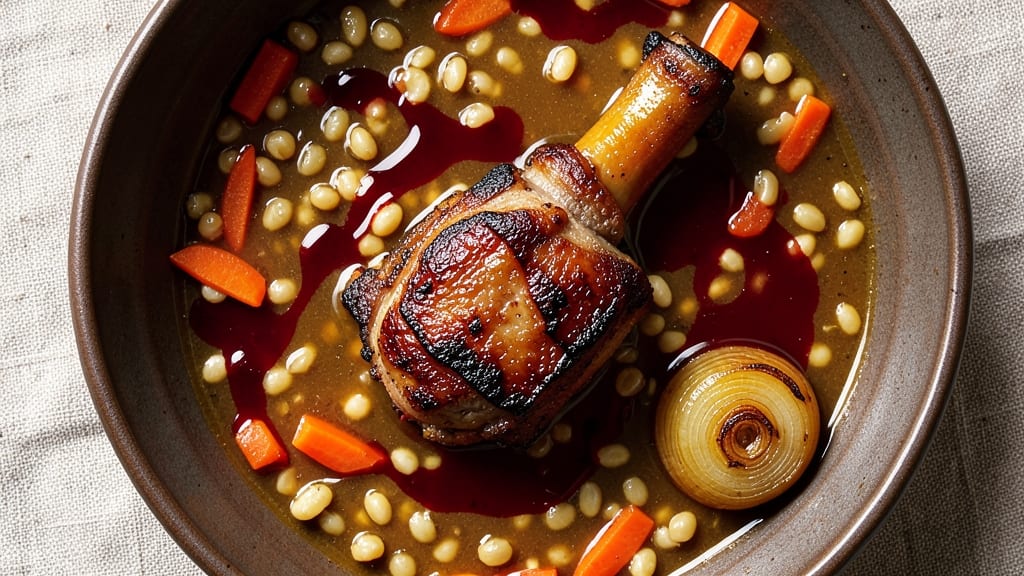
This beef shank barley soup recipe transforms tough cuts into melt-in-your-mouth perfection through slow cooking and deep flavor development. The rich, red wine braise creates a complex sauce that coats every bite, while barley adds satisfying texture.
I first made this during a cold Austin winter when I needed a hearty meal that would feed my family for days—it became an instant favorite.
The secret lies in proper braising: searing the beef shank first builds deep flavor, while the slow simmer breaks down connective tissue for tender meat. Earthy root vegetables like carrots and parsnips round out the dish, absorbing the rich broth.
This isn't just soup—it's a comforting, restaurant-quality meal that tastes even better the next day. What you'll end up with is a deeply flavorful soup where every spoonful delivers tender beef, hearty barley, and vegetables bathed in a velvety wine-infused broth.
The aroma alone will have everyone gathering around the table, and leftovers reheat beautifully for quick lunches. Perfect for chilly evenings or when you want to impress guests with a dish that feels special but comes together through simple techniques. Here's how to make it—
Ingredients for beef barley soup recipe with beef shank
Six hearty servings of comfort—tender beef shank, chewy barley, and wine-braised vegetables.
| Ingredient | Amount | Notes |
|---|---|---|
| Beef Shank 🥩 | 2 lb | Bone-in for maximum flavor |
| Barley 🌾 | 1 cup | Pearl barley, rinsed well |
| Red Wine 🍷 | 1 cup | Bold dry variety like Cabernet |
| Beef Broth 💧 | 4 cups | Homemade or quality low-sodium |
| Yellow Onion 🧅 | 1 whole | Chopped, medium size |
| Carrots 🥕 | 4 medium | Peeled, cut into chunks |
| Parsnips 🥕 | 4 medium | Peeled, cut into chunks |
| Garlic Cloves 🧄 | 4 cloves | Smashed, not minced |
| Tomato Paste 🍅 | 2 tbsp | Squeeze tube preferred |
| Fresh Thyme 🌿 | 2 sprigs | Or 1 tsp dried thyme |
| Fresh Rosemary 🌿 | 1 sprig | Woody stems removed |
| Bay Leaves 🍃 | 2 whole | Removed before serving |
| Olive Oil 🫒 | 2 tbsp | Extra-virgin for richness |
| Salt 🧂 | 1 ½ tsp | Kosher or sea salt |
| Black Pepper 🌶️ | ½ tsp | Freshly cracked |
The beef shank is the star here. Look for well-marbled cuts at the butcher counter—they'll keep the meat juicy. Whole Foods or local markets often have excellent selections, but the regular grocery store meat department works too. If you can't find shank, chuck roast is a solid backup—just cube it yourself. The wine? Any bold, dry red works—Cab Sauv, Merlot, whatever's open. Avoid sweet varieties like Zinfandel. For the barley, Pearl barley is standard, but if you've got wild rice, mix half and half for extra texture.
No red wine? Beef broth with a splash of balsamic vinegar gets you close. Fresh thyme and rosemary are ideal, but dried works at one-third the amount. The tomato paste can be skipped if you're avoiding it, but it adds that deep umami punch. For the carrots and parsnips, baby carrots or pre-cut veggies save time—just peel them first. The garlic? Smashed cloves (not minced) release more flavor slowly. If you're using Trader Joe's tomato paste, the squeeze tube is perfect—no waste, keeps forever.
This soup tastes even better the next day as flavors meld. Keeps 4-5 days in the fridge, freezes for 3 months. I always make a double batch—one for dinner, one for lunches. Store in airtight containers with a splash of broth on top to keep it moist. The barley thickens as it cools, so add a splash of water when reheating. Leftovers reheat beautifully—just warm gently on the stove or microwave with a splash of broth.
Why You'll Love This Recipe
- One-Pot Wonder: The shank and barley practically cook themselves while you sip that red wine—no fancy techniques, just a slow simmer. Honestly, I’ve made this on days when I couldn’t even be bothered to wash extra bowls.
- Deep, Rich Payoff: That beef shank? It melts into the broth like butter, while the barley soaks up all the savory, wine-kissed flavors—every spoonful tastes like you’ve been simmering for hours (even if it’s just 45 minutes).
- Leftovers That Beg for More: This soup only gets better the next day, and it’s the kind of meal that makes you freeze half the batch. Between us, my husband’s favorite is reheated with a splash of broth and a crack of black pepper—he’ll never admit it’s not fresh.
- Budget-Friendly Crowd-Pleaser: A single shank stretches for six servings, and the barley adds hearty texture without breaking the bank. I’ll be real: this is the dish I make when I need to feed friends but still want to look like I tried.
Step-by-step instructions for hearty beef shank barley soup
This rich, comforting soup builds deep flavor through slow braising and aromatic vegetables.
Sear the Beef Shank for Maximum Flavor
Heat the 2 tablespoons olive oil in a large Dutch oven over medium-high heat. Pat the 2 lb beef shank completely dry with paper towels—this ensures a proper sear. Place the shank in the pot, bone-side down, and let it sear undisturbed for 8-10 minutes until deeply browned on all sides.
I press down gently with a spoon during the first minute to prevent curling, which ensures even contact with the pan. This browning creates the Maillard reaction, forming complex flavors that will infuse the entire soup. Once golden, remove the shank and set it aside temporarily.
Sauté Vegetables and Build the Base
In the same Dutch oven, add the chopped yellow onion, peeled and chunked carrots, and peeled and chunked parsnips. Cook over medium heat for 8-10 minutes, stirring occasionally, until the vegetables soften slightly and the onions turn translucent.
Add the 4 smashed garlic cloves, 2 tablespoons tomato paste, 1.5 teaspoons salt, and 0.5 teaspoon black pepper. Stir well and cook for another 2 minutes until fragrant. This step develops the vegetable flavors and prepares them for the long simmer ahead.
Deglaze and Braise the Beef
Pour in the 1 cup red wine, scraping up any browned bits from the bottom of the pot with a wooden spoon. This deglazing captures all the caramelized flavor you worked so hard to create. Let the wine simmer for 3-4 minutes until it reduces by half and the alcohol cooks off.
Return the beef shank to the pot, then add the 4 cups beef broth, 1 cup rinsed barley, 2 sprigs fresh thyme, 1 sprig fresh rosemary, and 2 whole bay leaves. Bring to a gentle boil, then reduce heat to low and cover partially. This soup needs 2.5-3 hours of simmering to tenderize the beef and cook the barley perfectly.
Finish with Herbs and Season to Taste
After 2.5 hours, check the beef for tenderness by inserting a fork. It should slide in easily with no resistance. If not done, continue simmering for another 30 minutes. The barley should be tender but still have a slight bite—this indicates it's ready.
Remove the beef shank from the pot and let it rest for 10 minutes before shredding or slicing it into bite-sized pieces. Return the meat to the soup and discard the herb sprigs and bay leaves. Taste and adjust seasoning with additional salt or pepper if needed. This final adjustment ensures the soup is perfectly balanced.
Serve Warm with Fresh Herbs
Ladle the soup into bowls, garnishing each serving with a sprinkle of fresh thyme or rosemary leaves. The soup should be rich with deep red wine notes, tender beef, and chewy barley. Serve immediately with crusty bread to soak up every last drop of this comforting, hearty soup.
Pro Tips For Making Beef Barley Soup Recipe With Beef Shank
- Brown the Shank Properly: Don’t just sear—you’re building flavor here. Cut the shank into chunks, hit high heat, and let them sit undisturbed for 3-4 minutes until deep brown crusts form. I used to rush this, and the soup always tasted flat. Patience here pays off.
- Use Pearl Barley, Not Quick: Pearl barley softens in 45-60 minutes, but quick-cooking barley turns mushy and gummy. Rinse it first to remove surface starch, then simmer uncovered for the last 20 minutes—this keeps it firm and chewy. Trust me, your spoon will thank you.
- Deglaze with Wine First: After browning the shank, immediately pour in the red wine and let it bubble for 2 minutes before adding broth. This extracts the fond (those stuck-on bits) and infuses the wine’s acidity into the base. Skipping this step means losing half the flavor.
- Season Broth Last: Add salt and pepper to the broth only after the barley is tender. The barley absorbs liquid, so seasoning early dilutes the flavor. Taste as you go—this soup needs balance, not a salt bomb. (Yes, even if you’re used to salting everything first.)
Perfect pairings for these flavors
Crusty Bread Pairing
Nothing complements this rich soup like a warm, crusty loaf of bread to soak up every last drop of that wine-infused broth. I always reach for a sourdough baguette from the Austin farmers market—its chewy crust and tangy flavor cut through the soup's richness beautifully.
For a quicker option, toast a whole wheat or rye bread and rub the cut sides with a garlic clove before serving. The bread's texture contrasts perfectly with the tender beef and chewy barley. 🥖
Simple Green Salad
A bright green salad balances the heartiness of the soup while keeping the meal light. I toss mixed greens (spinach, arugula, and romaine) with shaved fennel, cherry tomatoes, and thinly sliced red onion.
For dressing, a simple lemon vinaigrette (olive oil, lemon juice, Dijon mustard, salt, and pepper) keeps the flavors fresh and vibrant. The acidity of the dressing cleanses your palate between spoonfuls of soup.
Wine Pairing
Since the soup already features red wine, I recommend a bold, dry red wine for pairing—something like a Cabernet Sauvignon or Malbec complements the dish beautifully. The tannins in these wines mirror the richness of the soup, while their fruitiness enhances the beef and barley flavors.
If you prefer white wine, a Chardonnay with a touch of oak adds a creamy contrast. Avoid sweet wines—they'll clash with the savory depth of the dish. 🍷
Cheese Board Finish
For a more indulgent experience, serve the soup alongside a small cheese board with complementary cheeses like aged cheddar, blue cheese, and brie. The sharpness of the cheddar and the creaminess of the brie balance the soup's richness, while the blue cheese adds a bold, tangy finish.
Pair with cured meats like prosciutto or salami for an extra layer of flavor. This makes the meal feel like a special occasion without much extra effort.
Herbed Yogurt Dip
For a lighter pairing, whip up a quick herbed yogurt dip to serve with crusty bread. Mix plain Greek yogurt with chopped fresh dill, minced garlic, lemon zest, salt, and pepper.
This creamy, tangy dip adds a refreshing contrast to the hearty soup and keeps the meal feeling balanced. It’s especially great if you’re serving the soup to guests who prefer lighter options alongside their main dish. 🥄
Nutrition facts
Frequently asked questions
Why does this recipe use beef shank instead of other beef cuts?
The beef shank is perfect for this soup because its high collagen content breaks down during slow cooking, creating a naturally rich, velvety broth. The bone-in cut also adds depth of flavor that ground beef or steak simply can't match. Plus, it's more budget-friendly than premium cuts while delivering restaurant-quality results.
Can I substitute pearl barley for another grain?
For a quicker cook time, use wild rice blend (cooks in 45 minutescouscous (cooks in 10 minutesfarro or bulgur wheat. Just adjust cooking times according to package instructions—these grains absorb more liquid, so you may need to add ½ cup broth at the end if needed.
What's the best way to make this soup ahead of time?
This soup actually tastes better the next day as flavors meld! Cook it completely, then let it cool to room temperature. Store in airtight containers in the fridge for 4-5 days or freeze for 3 months. When reheating, add ¼ cup broth to restore richness—the barley thickens as it cools. I always make a double batch for easy lunches all week!
How do I know when the beef shank is fully cooked?
The shank is done when it's fork-tender with no resistance. Insert a fork—it should slide in easily. For bone-in shanks, check the meat around the bone first. If it's still tough, simmer uncovered for another 30 minutes. The broth should also reduce slightly, concentrating flavors. Never rush this step—patience ensures melt-in-your-mouth texture!
Can I make this soup in a slow cooker?
Yes! Sear the shank in a skillet first, then transfer everything to your slow cooker. Cook on Low for 8 hours or High for 5 hours. The slow cooker's gentle heat works perfectly for tenderizing the meat. Just add ½ cup broth if the soup seems too thick at the end. The flavor will be even more concentrated than stovetop!