
Soups & Stews
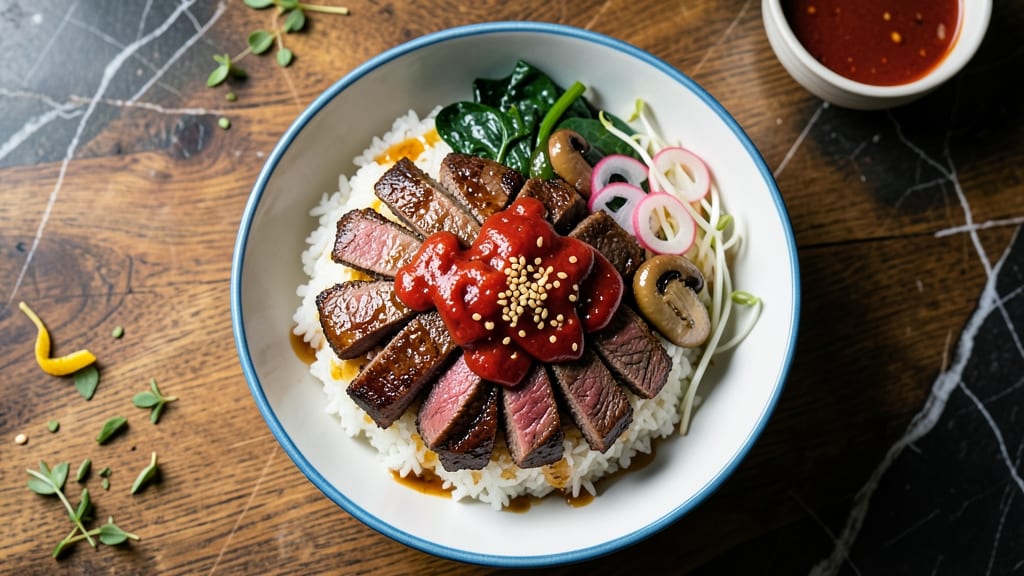
This beef bibimbap bowl recipe delivers restaurant-quality Korean comfort food with every hearty bite. The wok-seared beef transforms tender into perfectly caramelized strips, while the colorful vegetable medley adds freshness and crunch. I developed this version after mastering the balance between bold flavors and satisfying textures—no bland rice bowls here.
The secret lies in the marination—soy sauce, sesame oil, and garlic work together to create beef that's both savory and aromatic. Short-grain rice forms the base, absorbing the gochujang glaze that ties everything together with its signature spicy-sweet depth.
Each vegetable gets its own quick sauté to preserve texture and color, ensuring vibrant bites in every spoonful.
What makes this bowl exceptional is the assembly—layered components that come together for a meal as beautiful as it is delicious. The crispy fried egg on top adds a luxurious finish, while toasted sesame seeds provide that final textural contrast.
This isn't just another rice bowl; it's a complete, satisfying experience that proves homemade can rival your favorite Korean restaurant.
Perfect for meal prep or a special dinner, this recipe scales effortlessly while maintaining its restaurant-quality balance. The gochujang glaze can be adjusted for heat preference, and vegetable choices can be customized based on what's freshest. Let's create this flavor-packed bowl that's as impressive as it is delicious.
Ingredients for beef bibimbap bowl
Restaurant-quality beef bibimbap starts with these vibrant ingredients that pack bold flavors and textures.
| Ingredient | Amount | Notes |
|---|---|---|
| Ribeye Steak 🥩 | 1 ¼ lb | Thinly sliced against grain |
| Short-Grain White Rice 🍚 | 1 ½ cups | Uncooked, like sushi rice |
| Gochujang Paste 🌶️ | 3 tbsp | Korean fermented chili paste |
| Soy Sauce 🍶 | ½ cup | High-quality, preferably Japanese |
| Sesame Oil 🫒 | 2 tbsp | Toasted sesame oil preferred |
| Garlic Cloves 🧄 | 6 cloves | Minced, fresh preferred |
| Large Eggs 🥚 | 4 whole | Fresh, room temperature |
| Spinach 🌿 | 4 cups | Baby spinach, roughly chopped |
| Carrots 🥕 | 2 medium | Julienned, about 1 cup |
| Zucchini 🥒 | 1 medium | Julienned, about 1 cup |
| Yellow Onion 🧅 | 1 whole | Thinly sliced |
| Sesame Seeds 🌱 | 2 tbsp | Toasted, for garnish |
| Vegetable Oil 🫒 | ¼ cup | High smoke point |
| Salt 🧂 | 1 ½ tsp | Kosher or sea salt |
| Black Pepper 🌶️ | ½ tsp | Freshly ground |
The ribeye makes all the difference here—look for well-marbled cuts at your local butcher or Costco for the best quality. Thinly slicing against the grain ensures tender bites that caramelize beautifully in the wok. For the rice, Japanese short-grain (like Koshihikari) is ideal, but any short-grain white rice works. The gochujang? Maesil Gochujang from Korean markets has the perfect balance of heat and sweetness, but Dae Jang Gochujang is a solid backup. If you can't find it, mix 2 tbsp tomato paste with 1 tbsp sriracha for a quick substitute.
No sesame oil? Toasted peanut oil works in a pinch, though the flavor will differ slightly. Swapping spinach for baby kale or bok choy keeps the texture similar. The carrots and zucchini can be pre-shredded from the bag (the good stuff, not the pre-cut kind), but julienning them yourself gives that restaurant-quality presentation. For extra depth, add a pinch of fish sauce to the glaze—just a teaspoon goes a long way. The eggs should be fresh from the fridge for that perfect runny yolk, but room temperature eggs fry up crispier.
Prep the veggies ahead and store them in airtight containers with a paper towel to absorb moisture—keeps them crisp for 3 days in the fridge. The marinated beef stays good for 2 days in the fridge, but I recommend cooking it fresh for maximum flavor. The gochujang glaze can be made a day ahead and reheated gently. For meal prep, assemble the bowls just before serving to keep everything vibrant. If you're making this for a crowd, double the rice and veggies—this recipe scales beautifully while maintaining balance.
Why You'll Love This Recipe
- One-Pan Magic: I swear by this—just sear the ribeye in a hot pan, toss in the rice and veggies (if using), and finish with that gochujang-soy glaze. One pan, zero stress, and still feels like a restaurant dish.
- Umami Bomb: That ribeye, marinated in sesame oil and soy, hits different—juicy, caramelized edges, and the gochujang ties it all together with heat and depth. Honestly, the first bite makes me pause mid-bite like, "Wait, is this actually dinner?"
- Lunchbox Hero: Between us, this is my go-to for meal prep. Cook a big batch of rice, slice the steak thin, and assemble bowls in minutes. Toss in some quick-pickled veggies or a fried egg, and you’ve got a lunch that’ll make your coworkers jealous.
- Budget Power Move: Ribeye might sound fancy, but a single cut feeds two (or three if you’re hungry). The rice and gochujang stretch it into multiple meals, and you’re not sacrificing flavor—just smart spending. My wallet and I both approve.
Step-by-step instructions for beef bibimbap bowl
Here's how to assemble this vibrant, restaurant-quality bibimbap with perfectly seared beef and fresh, wok-tossed vegetables.
Prepare the Short-Grain White Rice
Rinse the 1.5 cups short-grain white rice thoroughly under cold water until the water runs clear, then drain. This removes excess starch that would make the rice gummy. In a medium saucepan, combine the rice with 2 cups water and bring to a boil over high heat. Once boiling, reduce to low heat, cover tightly, and simmer for 15 minutes. Turn off the heat and let it steam, covered, for another 10 minutes. Fluff with a fork and transfer to a serving bowl.
The rice should be tender but still slightly firm to the touch—this texture holds up perfectly to the bold flavors of bibimbap. If you prefer, you can spread the rice on a tray to cool slightly before assembling the bowls, which helps prevent sogginess when adding hot components.
Sear the Ribeye Steak for Perfect Texture
Slice the 1.25 lb ribeye steak thinly against the grain into ¼-inch strips. Heat 2 tablespoons vegetable oil in a wok or large skillet over high heat until shimmering. Add the steak in a single layer and sear for 1-2 minutes until the edges are deep brown and slightly crispy. Flip and cook another 30 seconds—the steak should be medium-rare inside with a caramelized exterior.
Remove the steak and set aside, reserving the rendered beef fat in the pan. If the steak releases easily from the pan, it's ready. If it sticks, let it cook another 10-15 seconds—this ensures a perfect sear without overcooking. The fat left in the pan will later flavor the vegetables beautifully.
Wok-Toss the Vegetables Separately
In the same wok (with the beef fat), add 1 tablespoon vegetable oil and stir-fry the yellow onion over high heat for 2 minutes until softened but still vibrant. Transfer to a plate. Repeat with the carrots, zucchini, and spinach, each cooked for 1-2 minutes until just tender-crisp. Season each batch lightly with ½ teaspoon salt and ¼ teaspoon black pepper as they cook.
Cooking the vegetables separately prevents overcrowding, which steams instead of sears them. The high heat should blister the edges slightly—this adds texture contrast to the dish. Keep each vegetable batch separate until assembly to maintain their individual colors and textures.
Cook the Gochujang-Sesame Eggs
Whisk together 4 large eggs, 1 tablespoon soy sauce, 1 tablespoon sesame oil, 1 tablespoon gochujang paste, ½ teaspoon salt, and ¼ teaspoon black pepper in a bowl. Heat 1 tablespoon vegetable oil in a nonstick pan over medium heat. Pour in the egg mixture and let it sit for 5 seconds before gently stirring with a spatula, creating soft, crepe-like curds. Cook until just set (2-3 minutes), then remove from heat.
The gochujang adds a subtle sweetness and depth, while the sesame oil enhances the nutty aroma. The eggs should be slightly runny in the center when you plate them—this allows them to blend with the other components when mixed.
Assemble and Glaze the Bibimbap
Divide the rice among four bowls. Arrange the seared beef, stir-fried vegetables, and gochujang eggs artfully on top of each bowl. Drizzle with a mixture of 2 tablespoons gochujang paste, 1 tablespoon soy sauce, 1 tablespoon sesame oil, and 1 tablespoon water, whisked together. Sprinkle generously with 2 tablespoons sesame seeds for texture and aroma.
To serve, have diners mix everything together vigorously with chopsticks or a spoon. The heat from the mixture will create a glossy, spicy sauce that coats every bite. The contrast of textures—crispy beef, tender vegetables, creamy eggs, and fluffy rice—makes each mouthful exciting.
Pro Tips For Making Beef Bibimbap Bowl
- SEAR THE RIBEYE FAST: I learned this the hard way—low heat means gray, flavorless beef. Crank your pan to medium-high, add just enough oil to coat the bottom (about 2 tablespoons), and let that steak hit the surface with a loud sizzle. Flip once, then again after 30 seconds—no peeking, no fiddling. You’re not making filet mignon; you’re building crust.
- DRY THE RICE BEFORE MIXING: Wet rice clumps like a lazy noodle. Spread your cooked short-grain rice on a tray and let it cool uncovered for 10 minutes. This keeps it loose when you fold in the gochujang and sesame oil later. (Yes, even if you’re impatient like me.)
- DON’T SKIP THE REST: You sliced the ribeye, now stop. Tent it with foil and let it sit for 5–10 minutes. Cutting into rested meat means clean slices that don’t fall apart when you assemble the bowl. I used to skip this—now I just eat my mistakes.
- THIN THE GOCHUJANG RIGHT: Store-bought paste is thick enough to glue your fingers together. Mix 2 tablespoons with 1 teaspoon soy sauce and 1 teaspoon sesame oil before adding it to the rice. This gives you a glossy, spreadable sauce that clings to every grain instead of sinking to the bottom like a sad, forgotten lump.
Troubleshooting your beef bibimbap bowl
Overcooked Rice Fix
If your rice turns out mushy, don't panic—it's a common issue with bibimbap's fluffy base. Spread the rice on a tray and let it dry slightly in the fridge for 30 minutes before assembling.
For extra insurance, mix in 1 teaspoon toasted sesame seeds while the rice is still warm—they absorb excess moisture. If serving later, reheat gently in a dry skillet over low heat to restore some texture. 💡
Underseasoned Beef
If your beef tastes bland, it likely didn't marinate long enough or needs more depth. Toss the cooked strips with 1 teaspoon fish sauce and ½ teaspoon toasted sesame oil right before serving—this adds umami without overpowering.
For next time, marinate the beef for at least 2 hours (overnight is best) with an extra 1 tablespoon soy sauce and 1 teaspoon sugar to enhance caramelization.
Sauce Too Thin
A watery glaze ruins the dish's balance. Fix it by simmering 1 tablespoon gochujang paste with ½ teaspoon cornstarch mixed with 1 teaspoon water over medium heat for 1 minute. Stir this into your sauce until it thickens slightly.
For prevention, reduce the water in your glaze by ½ tablespoon next time—bibimbap sauce should coat the back of a spoon but not drip.
Eggs Too Dry
Overcooked eggs lose their creamy texture, which is crucial for bibimbap's richness. Lower your heat to medium-low and cook them for just 1-2 minutes total. For extra insurance, whisk in 1 teaspoon cold water before cooking—the steam keeps them tender.
If already overdone, serve them with a side of quick-pickled cucumbers to cut through the dryness.
Vegetables Too Soft
Mushy vegetables ruin the dish's texture contrast. The key is high heat and quick cooking—work in batches if needed. For spinach specifically, wilt it separately and add it raw to the bowl just before serving.
If you've already overcooked them, toss with ½ teaspoon toasted sesame oil and a pinch of salt to enhance their natural sweetness and mask any mushiness. 🌱
Bowl Too Dry
If your bibimbap lacks moisture, it's likely from overcooked rice or insufficient sauce. Add 1 tablespoon water to your gochujang glaze and reheat gently. For extra richness, spoon some of the pan's beef fat over the bowl before mixing.
If prepping ahead, store components separately and assemble just before serving to maintain freshness and moisture balance.
Nutrition facts
Frequently asked questions
Can I substitute ribeye with another beef cut?
For best results, use flank steak or skirt steak—both slice thinly and develop great flavor when seared. Avoid tougher cuts like chuck or round, as they won't tenderize properly. If using pre-sliced beef like London broil, marinate for at least 30 minutes to ensure juiciness.
How do I adjust the spice level in the gochujang glaze?
Start with the full 3 tablespoons gochujang for authentic heat, but reduce to 1-2 tablespoons if sensitive to spice. For extra kick, add ½ teaspoon gochugaru (Korean chili flakes) to the glaze. Balance with 1 teaspoon honey or sugar to soften the heat. Always taste before drizzling!
Can I make beef bibimbap ahead of time?
Yes, but assemble components separately. Cook rice, marinate beef, and prep vegetables up to 2 days ahead. Store in airtight containers—keep rice at room temp, refrigerate other items. Reheat beef and veggies in a skillet with 1 teaspoon sesame oil before assembling. Cook eggs fresh for best texture.
What vegetables can I swap for the ones listed?
Keep the mix colorful and textured! Swap carrots for shredded daikon radish or sweet potato, zucchini for bell peppers, and spinach for bok choy or kale. For crunch, add bean sprouts or shredded cabbage. Avoid overly watery veggies like lettuce—they'll make the bowl soggy.
Why is my bibimbap sauce separating?
This happens when oil and water separate in the glaze. Fix it by whisking vigorously or blending with 1 teaspoon water until smooth. To prevent it, mix ½ teaspoon cornstarch with 1 teaspoon cold water, then stir into the warm glaze. The sauce should coat the back of a spoon without dripping.