
Main Courses
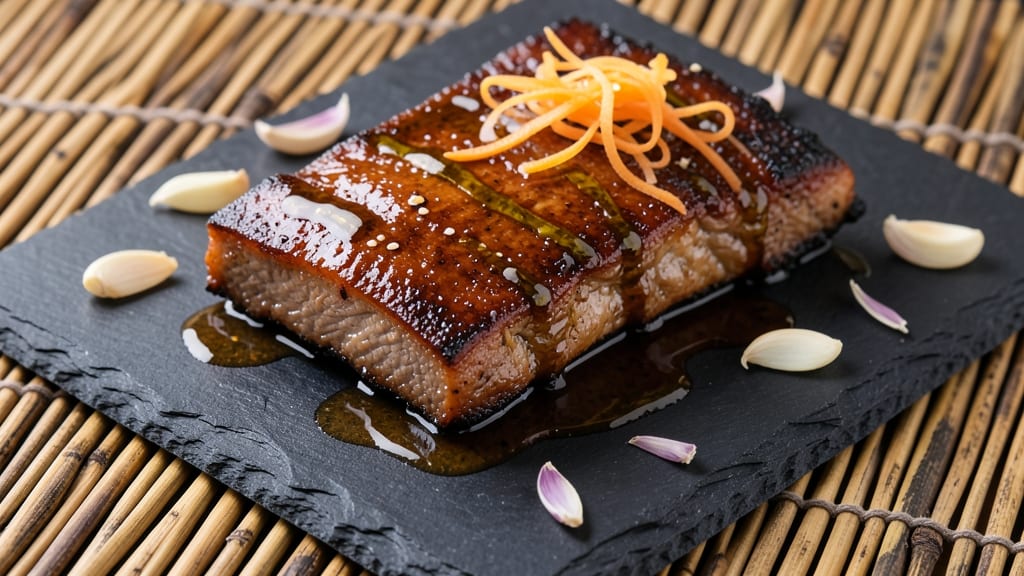
This Asian-style beef ribs recipe transforms tough ribs into tender, caramelized perfection with a wok-smoked char and silky soy-ginger glaze. The secret lies in a marinade that tenderizes while building flavor, followed by a high-heat sear that locks in juices.
I developed this method after years of experimenting with Asian braising techniques, and it delivers restaurant-quality results at home.
The cooking process combines two techniques: first, a quick sear in a screaming-hot wok creates those coveted char marks, while the ribs then finish in a smoker or oven with a sticky glaze.
The marinade—packed with soy sauce, ginger, garlic, and a touch of honey—infuses the meat with deep umami and aromatic complexity. This isn't just another ribs recipe; it's a fusion of wok-heat intensity and slow-smoked tenderness.
By the time you're done, you'll have ribs with a deep mahogany crust, tender enough to pull apart with a fork, and coated in a glossy glaze that balances sweet, salty, and tangy notes.
The aroma alone will have everyone gathering around the table. Serve with steamed jasmine rice and quick-pickled vegetables to complete the meal.
This method works equally well for beef spare ribs or back ribs, and the glaze can be adjusted to suit your preference—whether you like it bold and sweet or more savory. The key is patience and attention to temperature control, but the results are worth every minute.
Ingredients for asian style beef ribs
Four pounds of ribs plus a few pantry staples for restaurant-quality Asian flavor.
| Ingredient | Amount | Notes |
|---|---|---|
| Beef Spare Ribs 🥩 | 4 lb | Bone-in, meaty cuts preferred |
| Soy Sauce 🍶 | ½ cup | Kikkoman preferred for balance |
| Fresh Ginger 🌿 | ½ cup | Grated, aromatic variety |
| Garlic Cloves 🧄 | 8 cloves | Minced, fresh preferred |
| Honey 🍯 | ¼ cup | Wildflower or clover works best |
| Sesame Oil 🫒 | 1 tbsp | Toasted, for aroma |
| Brown Sugar 🍚 | ¼ cup | Light or dark preferred |
| Rice Vinegar 🍶 | 2 tbsp | White or seasoned variety |
| Vegetable Oil 🫒 | ½ cup | High smoke point for searing |
| Green Onions 🧅 | ¼ cup | Sliced, for garnish |
| Sesame Seeds 🌾 | 1 tbsp | Toasted, for crunch |
| Salt 🧂 | 1 ½ tsp | Kosher or sea salt |
| Black Pepper 🌶️ | 1 tsp | Freshly ground preferred |
| Red Pepper Flakes 🔥 | ½ tsp | Optional, for heat |
| Asian Chili Sauce 🌶️ | 1 tbsp | Like Sriracha or Sambal Oelek |
The ribs are the star, so don't skimp. Beef spare ribs work best here—they've got more meat than back ribs and handle the marinade beautifully. I always grab mine from Costco when they're on sale, but the butcher section at Whole Foods has great options too. Look for cuts with good marbling—that's what keeps them juicy during the long cook. If you're using back ribs, just add an extra 30 minutes to the cooking time. The soy sauce makes or breaks this dish—Kikkoman is my go-to because it's got that perfect balance of salt and umami, but any good-quality brand works.
No sesame oil? Toasted peanut oil is a great swap—it's got that nutty depth. Short on ginger? Ginger powder at half the amount gets you close, but fresh is ideal. The honey adds sweetness, but if you're watching sugar, maple syrup works too. For extra depth, I like to add a splash of Mirin or even a little fish sauce (if you're not avoiding it). The chili sauce is optional but adds a nice kick—Sriracha or Sambal Oelek both work great. And if you're feeling fancy, toast the sesame seeds in a dry pan for 30 seconds before sprinkling—they'll be so much more flavorful.
These ribs reheat beautifully—just warm them in the oven at 300°F for 10 minutes. They actually taste better the next day once everything melds together. Store leftovers in an airtight container in the fridge for up to 4 days, or freeze for 3 months. I like to portion them into individual containers so they're ready to grab for quick meals. The marinade keeps in the fridge for 1 week, so make extra if you're planning to use it again. The glaze can be made ahead too—just reheat it gently before using.
Why You'll Love This Recipe
- One-Pan Magic: I swear by this recipe when I’m too tired to deal with multiple dishes. Toss the ribs on a sheet pan, slap on that ginger-garlic-honey glaze, and let the oven do the work—no flipping, no fuss, just melt-in-your-mouth results.
- Sweet-Savory Balance: That honey cutting through the soy sauce? It’s the kind of harmony that makes you pause mid-bite. The ginger adds a zing, the garlic deepens it, and suddenly, your ribs taste like they’ve been slow-cooked for hours—not just 45 minutes.
- Weeknight Crowd-Pleaser: Honestly, this is my secret weapon for game nights or lazy Sundays. The leftovers reheat like a dream (yes, even the next day), and everyone—picky eaters included—asks for seconds. No one leaves hungry, and no one complains about the mess.
- Budget-Friendly Feast: Between us, spare ribs are cheaper than you’d think, and this recipe stretches them far. A single pack feeds four, and the sauce costs pennies—just soy, honey, and a few cloves of garlic. It’s the kind of dish that makes me feel like I’m splurging without actually spending much.
Step-by-step instructions for Asian style beef ribs
Here's how to get that perfect wok-smoked char with a sweet-savory glaze that'll make your ribs unforgettable.
🔥 Step 1: Prep and Season the Ribs for Maximum Flavor
Start by trimming any excess fat from the 4 lb beef spare ribs, leaving just a thin layer to protect the meat during cooking. Pat them completely dry with paper towels—this helps the seasoning stick and creates that beautiful crust. In a small bowl, mix together 1.5 tsp salt, 1 tsp black pepper, and 0.5 tsp red pepper flakes (if using).
Rub this spice blend all over the ribs, pressing it into the meat so it adheres well. Let them sit at room temperature for 30 minutes while you prep the rest of the ingredients. This resting time ensures even cooking and helps the seasoning penetrate. Don't skip this step—it makes all the difference in flavor and texture.
🍳 Step 2: Build the Glaze with Soy, Ginger, and Sweet Elements
In a medium saucepan, combine 0.5 cup soy sauce, 0.5 cup grated fresh ginger, 8 cloves minced garlic cloves, 0.25 cup honey, 0.25 cup brown sugar, and 2 tbsp rice vinegar. Bring to a gentle simmer over medium heat and let it cook for 5-7 minutes until slightly thickened. You'll notice the aroma filling your kitchen—that's your first taste of the finished dish.
While the glaze simmers, heat 0.5 cup vegetable oil in a large wok or skillet over high heat until shimmering. This high heat is key for creating those wok-smoked char marks. Add the ribs in a single layer, working in batches if needed, and sear for 2-3 minutes per side until they develop deep brown char marks. Don't crowd the pan—this prevents steam buildup and ensures proper browning.
🔥 Step 3: Smoke and Glaze for Perfect Texture and Flavor
Transfer the seared ribs to a plate and pour the simmering glaze mixture into the hot wok. Let it cook for 1-2 minutes to caramelize slightly, then return the ribs to the wok and spoon the glaze generously over them. Cover and cook on medium heat for 10-12 minutes, turning occasionally, until the ribs are tender and the sauce has thickened.
Here's where things get exciting: uncover the wok and increase heat to high for 2-3 minutes to let the sauce reduce and form a glossy glaze. You'll see the ribs developing a beautiful sheen—that's your signal they're ready. The ribs should be fork-tender, and the sauce should coat the back of a spoon when you lift it from the wok.
🍽️ Step 4: Finish with Aromatics and Serve
Remove the ribs from the wok and transfer them to a serving platter. Drizzle any remaining sauce from the wok over the top. In a small bowl, whisk together 1 tbsp sesame oil and 1 tbsp Asian chili sauce, then drizzle this mixture over the ribs for an extra layer of flavor.
Garnish with 0.25 cup sliced green onions and 1 tbsp toasted sesame seeds for color and texture. The sesame seeds add a nice crunch that contrasts perfectly with the tender ribs. Serve immediately with steamed rice and quick-pickled vegetables to balance the rich flavors. Each bite should deliver that perfect combination of smoky char, sweet glaze, and savory depth.
Pro Tips For Making Asian Style Beef Ribs
- BLANCH FIRST: Toss the ribs in boiling water for 1-2 minutes before marinating—this loosens the membrane and helps the sauce cling. I learned this the hard way after peeling off stubborn layers mid-cook, and it’s the thing that makes the sauce penetrate evenly.
- MINCE GINGER FINE: Use a microplane or knife to get ginger into a paste, not just tiny chunks—this ensures it dissolves into the sauce instead of sitting as texture. I was skeptical until I tried it; the flavor melds smoother and faster.
- LOW AND SLOW: Cover the ribs with foil and bake at 275°F (135°C) for 2.5–3 hours, checking for tenderness at 225°F (107°C) internal temp. Rushing to high heat turns them tough; patience here makes all the difference.
- BALANCE THE SWEET: Add honey gradually—start with 1 tablespoon, taste, then adjust. Too much overpowers the soy and garlic; too little leaves them bland. I skip this step when I’m lazy, but the dish is noticeably better when I don’t.
Flavor customization for this asian style beef ribs
Sweet and Tangy
For a balanced flavor profile, I love adding 1 tbsp rice vinegar to the glaze for brightness. The acidity cuts through the richness of the honey and soy, creating a perfect harmony.
If you want extra tang, add 1 tsp grated lime zest to the marinade before applying it to the ribs. This works especially well with the wok-smoked char, as the citrus notes complement the smoky depth. 🍋
Spicy and Bold
Crank up the heat by incorporating 1 tbsp Asian chili sauce (like Sriracha) into the glaze. For an extra kick, add 1 tsp gochujang (Korean chili paste) to the marinade for a deeper, fermented heat.
I also recommend toasting 1 tsp coriander seeds in a dry pan and grinding them into the spice rub—this adds an earthy warmth that pairs beautifully with the spice. 🌶️
Umami Bomb
Boost the savory depth by adding 1 tbsp fish sauce (if you're not avoiding it) or 1 tsp miso paste to the glaze. For a vegetarian-friendly option, use 1 tsp mushroom powder or 1 tbsp soy sauce reduction (simmer 2 tbsp soy sauce until thickened).
These umami-rich additions elevate the dish, making every bite more complex and satisfying. 💪
Herbaceous Twist
Infuse fresh herbs into the glaze for a bright, aromatic touch. Finely chop 2 tbsp cilantro or 1 tbsp Thai basil and stir it into the sauce during the final 2 minutes of cooking.
For a more pronounced flavor, blend 1 tbsp fresh mint leaves with the sesame oil before drizzling it over the ribs. These herbs add a refreshing contrast to the smoky, sweet glaze. 🌿
Smoky Depth
Enhance the smoky flavor by adding 1 tsp smoked paprika or ½ tsp liquid smoke to the marinade. For a more authentic touch, use a charred onion glaze—simmer ½ cup thinly sliced onions in the glaze until caramelized, then blend until smooth.
This adds a rich, smoky-sweet dimension that ties everything together beautifully. 🔥
Sweet and Nutty
Swap out some of the honey for 2 tbsp hoisin sauce or 1 tbsp peanut butter (unsweetened) to add a nutty, slightly sweet depth. For extra richness, stir in 1 tbsp toasted peanut oil into the glaze during the final reduction.
This combination works surprisingly well and adds a unique texture to the dish. 🥜
Nutrition facts
Frequently asked questions
Can I use back ribs instead of spare ribs for this recipe?
Yes, but you'll need to adjust the cooking time. Back ribs are leaner and cook faster than spare ribs, so add 30-45 minutes to the total cooking time. The glaze and marinade work perfectly with either cut—the key difference is just the cooking duration. For best results, monitor them closely after 2 hours of cooking.
What's the best way to store leftover Asian-style beef ribs?
Store them in an airtight container in the fridge for up to 4 days. For longer storage, freeze them for 3 months. Reheat in the oven at 300°F for 10-15 minutes or until warmed through. The ribs actually taste better the next day as the flavors meld together! Pack them in individual portions for easy reheating.
How can I make this recipe less sweet?
Reduce the honey to 1-2 tablespoons and increase the soy sauce to 0.6 cup for a more savory profile. Add 1 extra tablespoon of rice vinegar to balance the flavors. For extra depth, stir in 1 teaspoon of fish sauce (if using) during the final glaze reduction. This keeps the umami richness without overpowering sweetness.
Can I grill these ribs instead of using a wok?
Preheat your grill to high heat (450°F) and sear the ribs for 3-4 minutes per side to get that char. Then move to indirect heat (275°F) and cook for 2-2.5 hours, basting with the glaze every 30 minutes. Finish with a quick broil on high for 2-3 minutes to caramelize the glaze. The smoky grill flavor works beautifully with the Asian-inspired glaze!
What's the secret to getting that perfect wok-smoked char?
The secret is threefold: high heat, dry ribs, and patience. Use a screaming-hot wok or skillet and work in batches so you don't crowd the pan. Keep the ribs moving constantly for 2-3 minutes per side until deep brown char marks form. The key is to let the natural sugars caramelize—don't rush it! A well-seasoned wok also helps create that authentic wok-heat flavor.