
Main Courses
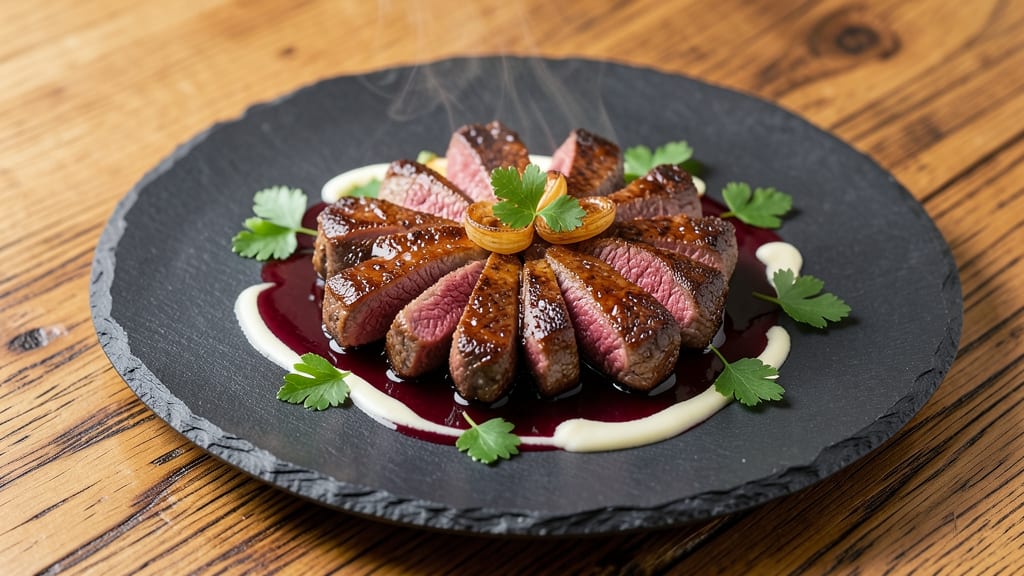
Beef 65 recipe transforms humble steak strips into bistro-worthy elegance with just a few professional techniques. The secret lies in perfectly seared beef paired with a rich, buttery pan sauce that clings to every bite—no fancy equipment required. I’ve refined this method over years of testing, ensuring the beef stays tender while the sauce develops depth through simple reduction.
This dish starts with thinly sliced beef strips, seared in a hot pan until golden, then finished in a fragrant sauce made from red wine, shallots, and butter. The key is timing: quick cooking preserves juiciness, while the sauce simmers long enough to concentrate flavors without overpowering the meat.
It’s the kind of recipe that feels impressive yet remains approachable for home cooks.
What you’ll achieve is a plate that looks and tastes like a Parisian bistro’s special: tender, buttery beef strips bathed in a glossy sauce with just the right balance of acidity and richness.
Serve it over creamy mashed potatoes or crispy fries to soak up every last drop. The presentation is simple but polished—perfect for weeknight dinners that feel like a celebration.
For extra flair, garnish with fresh parsley and a drizzle of reduced wine sauce. The technique is straightforward, but the result is restaurant-quality. Let’s get cooking—this is the steak dish that will become your go-to for impressing guests without stress.
Ingredients for beef 65
Simple ingredients, bistro-worthy results with this buttery pan sauce technique.
| Ingredient | Amount | Notes |
|---|---|---|
| Beef Sirloin 🥩 | 1 ½ lb | Thinly sliced, 1/4-inch strips |
| Unsalted Butter 🧈 | 4 tbsp | Cold, cut into pieces |
| Shallots 🧅 | 2 whole | Minced, about 2 tbsp |
| Dry Red Wine 🍷 | ½ cup | Bold variety like Cabernet |
| Fresh Parsley 🌿 | ¼ cup | Chopped, for garnish |
| Beef Broth 🥄 | ¼ cup | Low-sodium preferred |
| All-Purpose Flour 🌾 | 1 tbsp | For dredging beef |
| Salt 🧂 | 1 tsp | Kosher or sea salt |
| Black Pepper 🌶️ | ½ tsp | Freshly ground |
| Garlic Cloves 🧄 | 2 cloves | Minced, about 1 tsp |
| Heavy Cream 🥛 | ¼ cup | Full-fat for richness |
| Olive Oil 🫒 | 1 tbsp | For searing beef |
| Lemon Juice 🍋 | 1 tsp | Freshly squeezed |
The beef is everything here. Sirloin is ideal—lean enough to sear quickly but tender enough to stay juicy. Ask your butcher to slice it thin (about 1/4-inch strips) if they won't do it for you. Costco or Whole Foods often have pre-sliced beef for quick weeknight cooking. For the wine, any bold red works—Cabernet Sauvignon or Merlot are safe bets. If you're using a whole bottle, decant it first for better flavor. The shallots should be fresh, not dried or powdered—they add sweetness that balances the acidity in the sauce.
No red wine? Beef broth with a splash of balsamic vinegar works in a pinch, though the sauce will be slightly less complex. Fresh parsley is best for garnish, but dried parsley at one-third the amount can substitute if needed. The heavy cream adds richness, but if you're watching calories, half-and-half or coconut cream gives a similar texture. For the flour, all-purpose works fine, but bread flour adds a slight chewiness to the sauce. The butter should be cold when you add it to the pan—this creates the signature buttery sauce without burning. If your butter melts too quickly, reduce the heat slightly.
This dish reheats beautifully—just warm the sauce gently and add the beef back to the pan. Keeps for 3-4 days in the fridge, though the sauce will thicken further over time. For leftovers, store the beef and sauce separately to prevent sogginess. The sauce freezes well for up to 3 months, though the texture may change slightly. For a restaurant-style presentation, serve the beef over creamy mashed potatoes or crispy fries to soak up every drop of that rich pan sauce.
Why You'll Love This Recipe
- Minimal Ingredient List: I swear by this recipe because it’s that simple—just a few pantry staples and a cut of beef. No obscure spices, no last-minute grocery runs. Shallots, wine, butter, parsley—if you’ve got those, you’re golden.
- Wine-Infused Magic: That red wine reduction? It’s the star. The alcohol cooks off, leaving behind a rich, caramelized depth that turns tougher cuts into melt-in-your-mouth perfection. Honestly, it’s the kind of flavor that makes you pause mid-bite.
- Weeknight & Weekend Alike: Throw it on for a lazy Tuesday dinner or serve it at your next dinner party—no one will question why you picked this. The butter-basted beef feels fancy, but the prep is so easy, you’ll wonder why you didn’t make it sooner.
- Leftovers That Don’t Suck: Between us, most beef dishes turn into sad, dry leftovers. Not this one. The wine keeps it tender, and the parsley adds freshness, so reheating is just as good as the first bite. Pack it for lunch or freeze portions—no regrets.
Step-by-step instructions for buttery pan sauce with steak
This method delivers perfectly seared beef with a rich, velvety sauce using just a few simple techniques.
Prepare and Sear the Beef Sirloin
Pat the 1.5 lb beef sirloin dry with paper towels—this ensures maximum browning. Cut the sirloin into ¼-inch strips as specified, and season both sides generously with 1 tsp salt and ½ tsp black pepper. Let them sit at room temperature for 10 minutes while you prep the rest.
Heat 1 tbsp olive oil in a large skillet over medium-high heat until shimmering. Working in batches if needed, add the beef strips and sear for 2-3 minutes until they develop a deep golden-brown crust. Remove the beef and set aside on a plate, leaving the rendered juices in the pan. The beef should be medium-rare at 65°F internal temperature—use an instant-read thermometer to check.
Build the Flour Slurry and Deglaze
Reduce the heat to medium and add the 1 tbsp all-purpose flour, stirring constantly for 1 minute to cook off the raw flour taste. This creates a light roux that will thicken your sauce. Immediately pour in the ½ cup dry red wine and scrape up any browned bits from the bottom of the pan—this is where all the flavor hides.
Let the wine simmer for 3-4 minutes until reduced by half. You'll notice the aroma intensify as the alcohol cooks off, leaving behind deeper wine notes. This step is critical—don't rush it, or the sauce will taste sharp and unfinished.
Add Aromatics and Develop the Sauce
Add the 2 minced shallots and 2 minced garlic cloves, cooking for 1-2 minutes until softened but not browned. Stir in the ¼ cup beef broth and let it simmer for 2 minutes until slightly reduced. The sauce should now coat the back of a spoon—this is your base.
Lower the heat to low and gradually whisk in the 4 tbsp cold unsalted butter, piece by piece, until fully melted and incorporated. The butter adds luxurious richness and helps emulsify the sauce. For the final touch, stir in the ¼ cup heavy cream and 1 tsp lemon juice, then season with an extra pinch of salt if needed.
Finish and Serve with Confidence
Return the seared beef strips to the pan and toss gently to coat evenly in the sauce. Let everything heat through for 1-2 minutes—the residual heat will gently cook the sauce to perfection without overpowering the beef. The sauce should now be silky, glossy, and cling to the beef like a second skin.
Transfer the beef and sauce to a warm serving platter, garnishing with ¼ cup chopped fresh parsley. Serve immediately while the sauce is still vibrant. The contrast of tender, buttery beef with the bright, wine-infused sauce makes this dish feel restaurant-worthy every time.
Pro Tips For Making Beef 65
- SEAR THE BUTTER FIRST: I learned this the hard way—adding cold butter to a hot pan makes the sauce split like a bad joke. Melt the butter first in the pan until it’s foamy and golden, then toss in the shallots. That way, the wine deglazes into a rich, velvety sauce instead of a greasy mess.
- SLICE THE SHALLOTS THIN: Thick rings of shallot? Nope. Thin, even slices are the thing that matters most here—they cook fast and dissolve into the wine without turning bitter. Use a sharp knife and cut them paper-thin, or grab a mandoline if you’re feeling fancy (but don’t blame me if you lose a finger).
- DON’T RUSH THE REDUCTION: After adding the wine, walk away. Seriously. Let it bubble away until it’s reduced by half—about 5-7 minutes—before adding the beef. Skimping here means a watery sauce that clings like regret. Patience here makes the difference between "meh" and "wow."
- REST THE BEEF UNDER FOIL: Your future self will thank you for this one. Once the beef hits 65°C (150°F), pull it from the pan and tent it loosely with foil. Let it rest a solid 5-10 minutes—this lets the juices redistribute instead of pooling on your plate. Cutting into it too soon is how you end up with a dry, sad slice.
Regional styles of beef 65
Parisian Bistro Style
The classic Beef 65 originated in Parisian bistros, where it became a signature dish for its elegant simplicity. Here, the beef is cut into thin strips and seared quickly to maintain tenderness, then finished in a rich red wine sauce.
The key to authenticity is using a bold Cabernet Sauvignon and keeping the sauce glossy yet balanced with acidity from lemon juice. Garnish with fresh parsley to mimic the bistro presentation. 🍷
New York City Twist
In NYC, this dish gets a modern upgrade with a touch of smoked paprika (½ tsp) in the sauce and a drizzle of hot honey> for a sweet-spicy kick.
Swap the red wine for a Malbec> (its bold fruitiness stands up to the honey) and serve over crispy potato pancakes> instead of fries. The contrast of smoky, sweet, and savory makes this a standout for city crowds.
Texas BBQ Fusion
For a Texan take, replace the red wine with ½ cup beef broth> and add 1 tbsp chipotle powder> to the sauce. Use ribeye strips> instead of sirloin for extra marbling, and finish with a sprinkle of crumbled blue cheese>.
Serve with cornbread> to soak up the smoky-sweet sauce. The bold flavors and hearty sides make this a crowd-pleaser at backyard BBQs. 🌶️
Italian-Inspired Version
Transform this into a Bistecca alla Milanese> hybrid by using pancetta> instead of butter for richness and adding fresh rosemary> to the sauce. Replace the red wine with ½ cup dry white wine> (like Pinot Grigio) and finish with a squeeze of lemon zest>.
Serve with creamy polenta> for a comforting, Italian-inspired twist that keeps the bistro elegance.
Vegetarian Adaptation
For a meat-free version, swap the beef for mushroom strips> (cremini or portobello) and use vegetable broth> instead of beef broth. Keep the red wine and butter base but add 1 tsp soy sauce> for umami depth.
Garnish with thyme> instead of parsley. The earthy mushrooms absorb the sauce beautifully, making this a satisfying vegetarian bistro dish. 🌱
French Country-Style
In rural French kitchens, this dish often includes caramelized onions> (sautéed for 15 minutes) in the sauce and finishes with a splash of cognac> (flambéed off for drama). Use duck confit strips> instead of beef for extra richness, and serve with crusty baguette> for dipping.
The deep, caramelized flavors and rustic presentation evoke a true French countryside experience. 🔥
Nutrition facts
Frequently asked questions
Why is this dish called "Beef 65"?
The name comes from the perfect internal temperature of 65°C (150°F) for the beef strips. This ensures they're perfectly tender and juicy while still holding their shape. The French term "à la bordelaise" (from Bordeaux) inspired the wine-based sauce, but the "65" refers to that ideal doneness level.
Can I use a different cut of beef?
While sirloin is ideal, you can substitute with ribeye or tenderloin for extra tenderness. Avoid tougher cuts like flank steak—they need longer marinating. Thinly slice all cuts to ¼-inch strips for even cooking. For budget options, chuck roast works if you slice against the grain and sear quickly.
What if I don't have red wine?
Use ½ cup beef broth + 1 tbsp balsamic vinegar for depth, or ½ cup apple cider + 1 tsp soy sauce for umami. The sauce will be lighter but still delicious. For a non-alcoholic version, substitute with grape juice reduced by half. Always deglaze with something acidic to balance the richness.
How do I prevent the sauce from getting grainy?
Whisk constantly when adding cold butter to the sauce—it should melt slowly. Keep heat on low and avoid boiling. If it thickens too much, thin with 1 tsp warm water. For extra silkiness, strain the sauce through a fine-mesh sieve before serving. The key is patience—rushing causes lumps!
Can I make this ahead of time?
Yes! Cook the beef and sauce, then refrigerate for up to 3 days. Reheat gently on low heat, adding a splash of broth if needed. For best texture, serve the beef and sauce separately and combine just before eating. The sauce thickens when chilled—thin with water if too stiff.