
Main Courses
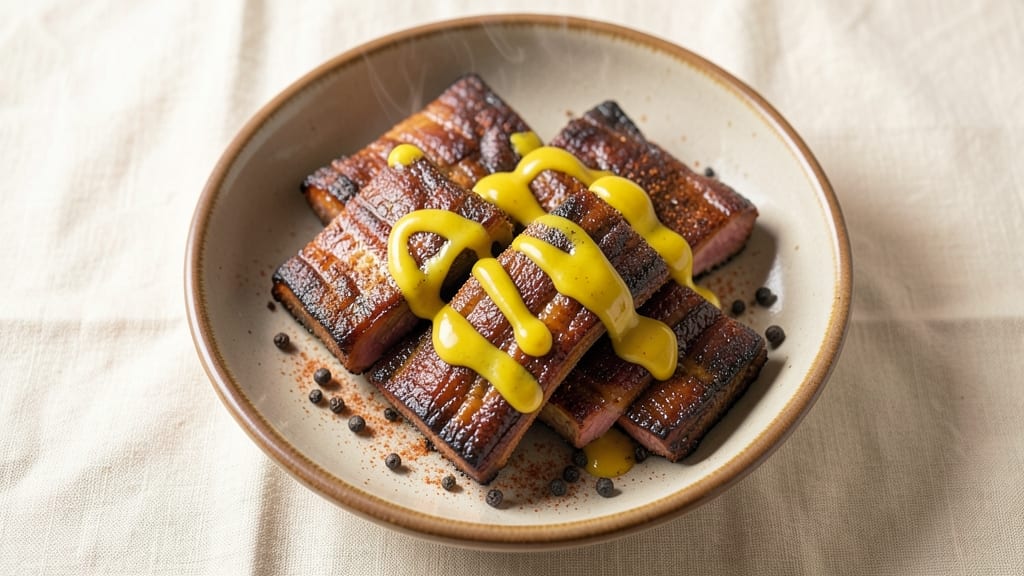
Beef back spare ribs transformed into melt-in-your-mouth perfection require patience and precision—this 3-2-1 method delivers restaurant-quality tenderness every time. The secret lies in slow cooking until the meat practically falls apart, creating a dish so rich and flavorful it becomes the centerpiece of any meal. I've perfected this technique after countless hours in the kitchen, and the results speak for themselves.
This method begins with a dry rub that clings to the ribs, locking in moisture while building deep, smoky flavors. The ribs cook uncovered for three hours, then wrapped for two hours, and finally uncovered again for one hour—each stage carefully timed to achieve that signature fall-apart texture.
The process might seem lengthy, but the reward is unbeatable: ribs so tender they require little effort to pull apart, with a bark that's perfectly crisp yet still succulent underneath.
What you'll end up with is a platter of ribs that looks as impressive as it tastes—juicy, caramelized edges, and meat that pulls away cleanly from the bone. The 3-2-1 method ensures consistent results, whether you're smoking, grilling, or slow-roasting in the oven.
Serve with classic sides like coleslaw or baked beans, or elevate the presentation with a modern twist like roasted sweet potatoes and a tangy chimichurri.
This recipe isn't just about the cooking—it's about the experience. The aroma that fills your kitchen as the ribs cook will have everyone gathering around, and the first bite will silence any doubters.
With a few simple ingredients and careful timing, you'll master a technique that transforms tough cuts into something extraordinary. Let's get started on creating ribs that will have your guests asking for seconds—and thirds.
Ingredients for beef back spare ribs
Transform tough beef back ribs into melt-in-your-mouth perfection with this restaurant-quality 3-2-1 method.
| Ingredient | Amount | Notes |
|---|---|---|
| Beef Back Spare Ribs 🥩 | 4 lb | Bone-in, meaty ends preferred |
| Yellow Mustard 🍯 | ½ cup | For binder application |
| Brown Sugar 🍚 | ½ cup | Packed, light or dark |
| Kosher Salt 🧂 | ¼ cup | Diamond Crystal preferred |
| Black Peppercorns 🌶️ | 1 tbsp | Coarsely ground |
| Smoked Paprika 🌶️ | 2 tbsp | For deep smoky flavor |
| Garlic Powder 🧄 | 1 tbsp | Freshly ground preferred |
| Onion Powder 🧅 | 1 tbsp | For balanced sweetness |
| Ground Black Pepper 🌶️ | 1 tsp | Freshly cracked |
| Apple Cider Vinegar 🍎 | ¼ cup | For tenderizing soak |
| Butterflake Butter 🧈 | ½ cup | For wrapping stage |
| Aluminum Foil 📄 | 2 sheets | Heavy-duty preferred |
| Wooden Skewers 🪵 | 4 whole | For securing foil |
| Apple Cider 🍎 | 1 cup | For final glaze |
| Honey 🍯 | 2 tbsp | For sticky finish |
The ribs themselves are the foundation, so source from a trusted butcher—look for cuts with good marbling and minimal fat cap. Costco or local meat markets often carry high-quality beef back ribs, but avoid pre-cut slabs with excessive bone exposure. For best results, select a full packer with meaty ends. The ribs should feel substantial in your hand, not overly lean. If you're buying frozen, thaw them overnight in the fridge—they'll cook more evenly. Pro tip: Pat dry thoroughly before applying the dry rub, as moisture prevents the seasoning from adhering properly.
No yellow mustard? Dijon or whole-grain mustard works equally well for binding the rub. Substituting brown sugar? Turbinado sugar at 1:1 ratio adds a subtle caramel note. The apple cider vinegar soak is non-negotiable—it tenderizes the collagen, but if you're short on time, lemon juice at half the amount will work in a pinch. For the final glaze, maple syrup can replace honey for a vegan option, though the flavor profile shifts slightly. The butterflake butter during the wrap stage? Use full-fat only—low-fat versions won't create that luxurious steam for even cooking.
Prep the ribs the night before if possible—they benefit from a 12-24 hour dry brine in the fridge. Store any unused dry rub in an airtight container for up to 3 months in a cool, dark place. The cooked ribs reheat beautifully: wrap in foil and bake at 300°F for 20 minutes. For leftovers, portion into single-serving containers—they keep for 4 days in the fridge or 3 months frozen. The foil-wrapped stage is where magic happens, so don't rush it. Patience here ensures that signature fall-apart texture.
Why You'll Love This Recipe
- No-Fuss Prep: I swear by this recipe because it’s literally four ingredients plus salt and pepper. Trim the ribs, slap on the mustard-brown sugar mix, and let the oven do the work—no marinating overnight or babysitting the grill. Honestly, I’ve made it while watching a movie.
- Sweet-Savory Magic: That yellow mustard and brown sugar combo? It’s the kind of balance you’ll lick your fingers over—tangy enough to cut through the richness, but sweet enough to make your taste buds sing. The ribs stay juicy inside with just a hint of caramelized crust.
- Weeknight Wonder: These ribs are my go-to when I’m feeding a crowd but don’t want to spend hours in the kitchen. They’re hearty enough for game day but simple enough for a Tuesday night when takeout feels like too much effort. (Yes, even on a Tuesday night.)
- Budget-Friendly Feast: Beef back ribs are cheaper than baby backs, and this recipe stretches them further—perfect for meal prep or stretching a single pack into multiple meals. Leftovers? Even better cold in sandwiches or reheated for a lazy breakfast. My wallet and my family thank me.
Step-by-step instructions for beef back spare ribs using the 3-2-1 method
The 3-2-1 method transforms tough beef ribs into melt-in-your-mouth perfection through precise timing and technique.
Prepare the Dry Rub and Apply to Ribs
In a medium bowl, combine the 0.5 cup brown sugar, 0.25 cup kosher salt, 2 tablespoons smoked paprika, 1 tablespoon garlic powder, 1 tablespoon onion powder, and 1 teaspoon ground black pepper. Mix thoroughly until evenly distributed—this is your dry rub. The brown sugar adds caramelization while the salt and spices penetrate deeply during the long cook.
Pat the 4 lb beef back spare ribs dry with paper towels to remove any moisture. Generously coat every surface with the dry rub, pressing it into the meat so it adheres well. Place the ribs on a wire rack set over a baking sheet and refrigerate uncovered for at least 12 hours (or up to 24 hours). This resting period allows the rub to penetrate and develop flavor, ensuring maximum tenderness and depth of taste.
Pre-Cook in Apple Cider Vinegar for Tenderization
In a large pot, combine 1 cup apple cider and 0.25 cup apple cider vinegar. Bring to a simmer over medium-high heat until the liquid reaches 195°F. Carefully add the rubbed ribs to the pot, ensuring they're fully submerged. Simmer for 3 hours—this step breaks down connective tissue through collagen hydrolysis, creating the signature fall-apart texture.
Check the ribs occasionally, adding water if the liquid reduces too much. You'll know they're ready when they're fork-tender and the meat pulls away from the bone with minimal resistance. Remove the ribs from the pot and let them cool slightly before proceeding. This pre-cook is non-negotiable for achieving the tenderness promised in the 3-2-1 method.
Wrap and Braise with Butterflake Butter
Cut two 24x18-inch sheets of heavy-duty aluminum foil and place one sheet on a work surface. Spread 0.5 cup butterflake butter evenly over the foil, then place the cooked ribs on top. Fold the foil tightly around the ribs, creating a sealed packet that traps steam and fat. Secure with 4 wooden skewers to hold the shape.
Return the wrapped ribs to the same pot (or transfer to a Dutch oven if needed) and add enough water to partially submerge them. Bring to a simmer over low heat and cover with a lid. Braise for 2 hours, maintaining a gentle simmer. The butterflake butter melts into the meat, creating a luxurious finish while the foil wrap ensures even cooking and maximum moisture retention.
Glaze with Apple Cider and Honey for Sticky Finish
Remove the ribs from the foil and place them on a cutting board. In a small saucepan, combine 1 cup apple cider and 2 tablespoons honey over medium heat. Simmer for 5-7 minutes until reduced by half and slightly thickened—this creates a glossy, sticky glaze that caramelizes beautifully. Brush this mixture generously over the ribs, ensuring even coverage on all surfaces.
Return the ribs to the foil packet and place them in a 375°F oven for 30 minutes. This final step develops a deep caramelized crust while keeping the meat incredibly tender. The honey and apple cider create a perfect balance of sweet and tangy flavors that complement the smoky, savory rub. Remove from the oven and let rest for 10 minutes before serving to allow juices to redistribute.
Serve with Proper Resting and Carving Technique
Carefully open the foil packet and transfer the ribs to a serving platter. Let them rest for an additional 10-15 minutes before cutting between the bones. The ribs should be fork-tender with a dark, caramelized exterior and a glossy sheen from the glaze. Each bite should offer perfect tenderness with layers of flavor from the rub, vinegar braise, and final glaze.
Serve immediately with classic sides like coleslaw or baked beans. The 3-2-1 method delivers ribs that are so tender they practically fall apart with the first cut, making this technique well worth the effort. The key to success lies in patience—each step builds on the previous one to create restaurant-quality results at home.
Pro Tips For Making Beef Back Spare Ribs
- TRIM THE FAT CAPS: I used to leave the thick fat layers on beef back ribs, thinking they’d render down into flavor. Wrong. Scrape off the fat caps with a knife—it crisps faster and keeps the meat from steaming under its own grease. (Yes, it looks less rustic, but the texture is worth it.)
- SALT THE RIBS 12 HOURS EARLY: Dry-brining beef back ribs overnight isn’t optional—it’s the difference between tough, chewy meat and melt-in-your-mouth tenderness. Skip the rush and salt them uncovered in the fridge; the salt penetrates deeper and firms up the surface for that perfect crust later.
- BRINE THE MUSTARD: Don’t just slather yellow mustard on the ribs at the end. Mix ¼ cup with 1 tablespoon brown sugar and 1 teaspoon kosher salt, then brush it on before searing. The mustard won’t burn off, and the sugar caramelizes into a sticky glaze that clings like glue—no last-minute sticky-fingered desperation.
- REST THEM WRAPPED: After cooking, ribs need a break. Tent them loosely with foil and let them sit for 10 minutes before slicing—this keeps them from falling apart when you cut. I know, I know, you’re eager to eat, but resist. The juices redistribute, and the meat stays cohesive. (Your first slice will be worth the wait.)
Regional styles of this recipe
Texas BBQ Style
In Texas, beef back ribs are often cooked low and slow with a bold dry rub featuring coarse kosher salt, smoked paprika, and a touch of black pepper. The key difference here is the addition of chopped onions and garlic cloves tucked between the bones before cooking.
This method creates a smoky-sweet flavor profile that's become iconic at places like Franklin Barbecue or Terry Black's. I recommend using post oak or pecan wood for smoking—it adds a subtle sweetness that complements the beef beautifully. 🌶️
Texas pitmasters often serve these ribs with white bread for soaking up the juices and a simple pickled onion to cut through the richness. The 3-2-1 method works perfectly here, but many Texans add a final touch of beef tallow during the wrap stage instead of butter.
For an authentic experience, try a vinegar-based mop sauce (apple cider vinegar + hot sauce) brushed on during the final hour of cooking.
Carolina Tradition
Carolina-style beef back ribs lean into the region's love of vinegar-based sauces and mustard glaze. While the 3-2-1 method remains the same, Carolina cooks often replace the honey glaze with a yellow mustard and apple cider vinegar mixture.
The Carolina Gold brand of mustard is a local favorite for this purpose. I've found that adding 1 tablespoon of hot sauce to the final glaze creates that signature tangy kick. 🍎
In South Carolina, these ribs are frequently served with cornbread and collard greens—a nod to the region's African American culinary traditions. For an extra Carolina touch, wrap the ribs in butcher paper during the final hour instead of foil.
This creates a crispier bark while still maintaining tenderness. The state's love of peach wood for smoking also works wonderfully with beef back ribs.
Midwest Braised Approach
The Midwest takes a different tack by focusing on braising rather than smoking. Here, beef back ribs are often cooked in a beer-braised sauce with caramelized onions and bay leaves for depth.
The 3-2-1 method translates perfectly by using the apple cider vinegar soak as a tenderizer, then braising in dark beer (like Guinness or Budweiser) during the wrap stage. I add 2 tablespoons of Worcestershire sauce to the braising liquid for umami richness. 🍺
Midwestern cooks frequently serve these ribs with mashed potatoes and roasted Brussels sprouts—a hearty combination that stands up to the rich beef.
For a regional twist, finish with a beer-butter glaze made by reducing ½ cup beer with 2 tablespoons butter and brushing it on during the final 15 minutes. The Midwest approach emphasizes comfort food, making these ribs perfect for cold weather gatherings.
Modern Fusion Twist
For a contemporary take, many chefs are blending regional styles with global flavors. Try adding 1 teaspoon of ground coriander and ½ teaspoon of cumin to your dry rub for a Middle Eastern-inspired twist.
The apple cider vinegar soak can be enhanced with 1 tablespoon of lemon zest for brightness. During the glaze stage, replace honey with date syrup for a vegan-friendly option that adds natural sweetness. 🌟
Modern presentations often feature microgreens or edible flowers as garnishes. Serve with quinoa tabbouleh instead of traditional sides for a lighter contrast. The 3-2-1 method remains the backbone, but these fusion elements create unexpected yet harmonious flavor combinations.
This approach works particularly well for dinner parties where you want to impress with both technique and creativity.
Nutrition facts
Frequently asked questions about beef back spare ribs
Why does the 3-2-1 method work so well for beef back ribs?
The 3-2-1 method creates perfect tenderness by breaking down collagen through precise timing. The initial 3-hour uncovered cook develops flavor and bark, the 2-hour wrapped braise tenderizes the meat with steam, and the final 1-hour uncovered finish caramelizes the surface. This sequence ensures fall-apart texture while maintaining a crisp exterior.
Can I substitute apple cider vinegar for another acid?
Yes, but with adjustments. Lemon juice works in a 1:1 ratio for the tenderizing soak, while white wine vinegar adds complexity but requires extra monitoring
What's the best way to reheat leftover beef back ribs?
Wrap ribs tightly in foil with 1 tablespoon of beef broth per pound, then bake at 300°F for 20-25 minutes. The foil traps moisture, preventing dryness. For extra flavor, add a pat of butter and a splash of apple cider to the foil packet. Never microwave—it ruins the texture.
How do I know when the ribs are fully cooked?
Ribs are done when they're fork-tender (meat pulls away from bone with minimal resistance) and the internal temperature reaches 195-203°F. The edges should be caramelized with a glossy sheen from the glaze. If they're still slightly firm, return them to the oven for 15-30 more minutes wrapped in foil.
Can I make these ribs in a slow cooker instead of a Dutch oven?
Follow the same 3-2-1 timing but use the slow cooker on low heat. For the first 3 hours, cook uncovered. Transfer to a foil packet with butter (as in the recipe) and cook on low for 2 hours. Finish with the glaze by placing the packet in a 375°F oven for 30 minutes. The slow cooker maintains tenderness perfectly.