
Main Courses
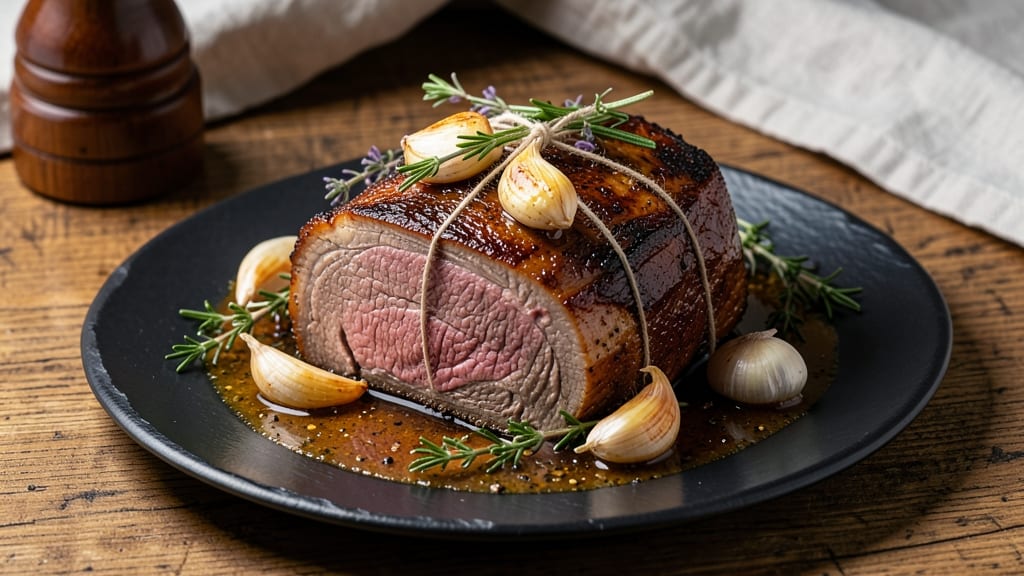
This American roast beef recipe delivers the centerpiece of any classic Sunday dinner table—juicy, perfectly cooked beef with a crispy exterior that seals in all the flavor. The secret lies in dry-brining overnight, which transforms tough cuts into melt-in-your-mouth perfection while keeping the kitchen smelling like a holiday feast. I've perfected this technique over years of hosting gatherings, and it never fails to impress even the most critical guests.
The key to achieving that signature crispy crust while maintaining a tender core is patience and precision. We'll use a high-heat sear to develop a rich, caramelized exterior before finishing in the oven at a controlled temperature.
Pairing this with a classic horseradish cream sauce and au jus elevates the dish from ordinary to extraordinary—just like your grandmother used to make, but with modern efficiency.
What you'll end up with is a beautifully carved roast beef that's juicy at the center and perfectly browned on the outside, served with complementary sides that complete the meal.
The resting period after roasting ensures every slice stays tender, while the au jus captures all the flavorful juices for drizzling over each portion. This is the kind of dish that makes Sunday dinner feel like a celebration every week.
Whether you're preparing for a family gathering or simply treating yourself to a special meal, this recipe delivers restaurant-quality results with simple techniques. The sides—creamy mashed potatoes, roasted root vegetables, and fresh salad—come together effortlessly to create a complete, satisfying dinner.
Let's get started on creating your perfect roast beef experience.
Ingredients for american roast beef
Eight ingredients transform tough beef into melt-in-your-mouth perfection for Sunday dinner.
| Ingredient | Amount | Notes |
|---|---|---|
| Top Round Roast Beef 🥩 | 4 lb | Center-cut for even cooking |
| Kosher Salt 🧂 | 1 ½ tbsp | Diamond Crystal preferred |
| Freshly Ground Black Pepper 🌶️ | 1 ½ tbsp | Coarsely cracked |
| Garlic Cloves 🧄 | 8 cloves | Smashed for infusion |
| Fresh Rosemary 🌿 | ½ cup | Chopped, stems removed |
| Fresh Thyme 🌿 | ¼ cup | Leaves only, stems removed |
| Unsalted Butter 🧈 | ½ cup | Cold, cubed for searing |
| All-Purpose Flour 🌾 | 2 tbsp | For dusting |
| Beef Au Jus Mix 🥄 | 1 package | Or homemade with beef stock |
| Beef Stock 💧 | 2 cups | Homemade or high-quality |
| Red Wine 🍷 | ½ cup | Bold, dry variety |
| Horseradish Cream 🌶️ | 1 cup | Prepared sauce |
| Fresh Parsley 🌿 | ¼ cup | Chopped, for garnish |
The beef is everything here—center-cut top round is ideal for its balance of tenderness and flavor. Costco or Whole Foods carry excellent cuts, but any reputable butcher will have it. Look for good marbling and ask for a center-cut roast—this ensures even cooking. I always buy mine a day ahead so it can sit in the fridge before brining. The herbs? Fresh is non-negotiable—dried just won't give that same aromatic punch. If you're short on time, Trader Joe's sells pre-bundled herb mixes that work in a pinch.
No beef au jus mix? Make your own with beef stock, red wine, and a touch of tomato paste—it's easier than you think. Short on horseradish cream? Mix sour cream with prepared horseradish and a pinch of salt. The butter must be cold for searing—take it out of the fridge 20 minutes before you plan to use it. For the wine, any bold, dry red works here—Cabernet Sauvignon, Merlot, whatever's open. If you're using a pre-made au jus, check the ingredients—some contain fillers that can make the sauce watery.
This roast tastes even better the next day, so plan ahead. Store leftovers in the fridge for up to 4 days or freeze for 3 months. For serving, let the roast rest for at least 15 minutes before carving—this keeps it juicy. I always make extra au jus and freeze it in ice cube trays for quick reheating later. The herbs? Store them in damp paper towels in a sealed bag for up to 5 days.
Why You'll Love This Recipe
- No-Fuss Seasoning: I swear by this combo—just salt, pepper, crushed garlic, and rosemary rubbed right onto the beef. No fancy marinades or last-minute shopping. Honestly, the flavors hit the spot without overcomplicating things.
- Weeknight Hero: This roast is my go-to when I’m too tired to fuss but still want something impressive. Slice it thin, toss with mashed potatoes, and suddenly dinner feels like a Sunday feast—even on a Tuesday.
- Leftovers That Shine: Between us, the second day is often better than the first. Cold slices in sandwiches? Yes. Reheated with gravy? Even better. I’ve turned this roast into breakfast burritos, and no one batted an eye.
- Budget-Friendly Feast: Top round roast is affordable, and a single cut feeds my family of four and leaves enough for lunches. That rosemary sprig might cost a little, but it makes the whole thing taste like a restaurant dish—without the price tag.
Step-by-step instructions for American roast beef
Here's how to transform a simple roast into a showstopping centerpiece with perfect texture and bold flavors.
Prepare and Season the Roast
Begin by removing the top round roast beef from the refrigerator and patting it completely dry with paper towels. I can't stress enough how crucial this drying step is—it ensures that crispy exterior we're after. The center-cut piece is essential here, as it has more even fat distribution for consistent cooking.
In a small bowl, combine the 1.5 tablespoons kosher salt and 1.5 tablespoons freshly ground black pepper. Rub this generously over all sides of the roast, pressing the seasoning into the meat so it adheres well. Don't forget to season the cut edges too. Let the roast sit at room temperature for 30 minutes before roasting—this helps it cook more evenly and prevents cold spots in the center.
Create the Herb Butter Rub
While the roast seasons, prepare the herb butter by combining the 0.5 cup unsalted butter with the 8 smashed garlic cloves, 0.5 cup chopped fresh rosemary, and 0.25 cup fresh thyme leaves in a bowl. I like to use my fingers to work the herbs into the butter until it's thoroughly incorporated and looks like a vibrant green paste. This mixture will create an aromatic crust that seals in juices while adding incredible flavor.
Spread this herb butter mixture evenly over the entire surface of the roast, pressing gently to ensure it sticks. The butter will melt slightly during roasting, creating that beautiful golden-brown crust we want. Place the roast on a rack set inside a roasting pan to allow air circulation on all sides—this is crucial for even cooking and crispy skin.
Sear and Roast to Perfection
Preheat your oven to 425°F with the rack positioned in the middle. When the oven reaches temperature, carefully place the roast in the oven and roast for 20 minutes. This initial high-heat sear helps develop that deep, caramelized crust. After 20 minutes, reduce the oven temperature to 325°F and continue roasting for 2 to 2.5 hours, or until the internal temperature reaches 130°F for medium-rare.
Here's where patience pays off: the roast needs time to develop that perfect texture. You'll know it's ready when the internal temperature hits your desired doneness and the crust is deep golden brown. For medium-rare, the center should feel slightly springy to the touch. If you're serving this as a classic Sunday dinner, medium-rare is traditional—but adjust to your preference.
Rest and Create the Au Jus
Once the roast reaches the proper internal temperature, transfer it to a cutting board and tent loosely with aluminum foil. Let it rest for 30 minutes—this resting period is absolutely critical. It allows the juices to redistribute throughout the meat, ensuring each slice remains moist and flavorful. During this time, prepare the au jus by placing the roasting pan on the stovetop over medium heat.
Add the 2 tablespoons all-purpose flour to the pan and whisk to combine with the fond (those delicious browned bits stuck to the bottom). Gradually whisk in the 2 cups beef stock and 0.5 cup red wine, scraping up any remaining bits from the pan. Bring to a simmer and continue cooking until the sauce thickens slightly, about 5-7 minutes. Strain the sauce through a fine-mesh sieve to remove any impurities, then return it to the pan.
Slice and Serve with Horseradish Cream
After the resting period, slice the roast against the grain into ½-inch thick slices. The grain direction will be visible as lines running through the meat. Slicing against the grain shortens the muscle fibers, making each bite more tender. Arrange the slices on a warm platter and drizzle generously with the prepared au jus.
To finish, dollop each serving with 1 tablespoon horseradish cream and garnish with 1 tablespoon chopped fresh parsley. The horseradish cream adds a bright, tangy contrast to the rich beef, while the parsley brings freshness to the plate. This combination delivers that classic American roast beef experience—crispy on the outside, perfectly juicy on the inside, with all the aromatic herbs and bold flavors we've built in.
Pro Tips For Making American Roast Beef
- SEAR IT FIRST: The top round can dry out if you rush to the oven—start with a screaming-hot pan, 2 tablespoons of oil, and let that beef develop a crust for 3-4 minutes per side before adding garlic and rosemary. I learned this the hard way when my first batch turned out tender but bland because I skipped the sear.
- SALT THE GARLIC: Slice those garlic cloves in half and sprinkle them with a pinch of kosher salt before they hit the pan. The salt pulls out moisture, so they caramelize faster and add a deeper flavor instead of just burning. (Yes, even if you’re impatient like me.)
- DON’T CUT THE ROSEMARY: Tie the sprigs into a bundle with kitchen twine and tuck it into the roast with the garlic—no chopping needed. This keeps the herb’s aroma locked in the meat instead of floating away in the pan, and you can just pull it out when done. (Your future self will thank you.)
- REST IT RIGHT: Pull the beef off the heat at 130°F (medium-rare) and tent it loosely with foil for 5-10 minutes. I used to slice it immediately, but now I wait—this guarantees juicy first bites instead of a sad, dry center. (Your guests won’t even notice the wait.)
Storing and reheating your american roast beef
Refrigerator Storage
Let your roast beef cool completely before storing—this takes about 2 hours—then transfer to an airtight container or heavy-duty plastic wrap. I like using glass Pyrex containers because they keep the meat moist and make reheating easier.
Store in the refrigerator at 40°F or below for up to 4 days, though the flavor actually improves over time as the meat continues to tenderize. The au jus can be stored separately in a sealed jar for up to 5 days. 🧊
Freezer Storage
For longer storage, wrap the roast beef tightly in plastic wrap followed by aluminum foil to prevent freezer burn. Place in a freezer-safe bag with all excess air removed, then label with the date. Roast beef freezes beautifully for up to 3 months while maintaining excellent texture and flavor.
I recommend freezing the au jus in 1-cup portions for easy reheating later. Thaw overnight in the refrigerator before reheating. ❄️
Reheating Methods
For the best results, reheat roast beef in the oven. Preheat to 300°F and place the meat on a baking sheet. Cover loosely with foil and heat for 15-20 minutes until reaching an internal temperature of 165°F.
This gentle method prevents drying out the meat. For the au jus, reheat in a saucepan over medium heat until warmed through—about 5-7 minutes. 🔥
Microwave Safety
If you're short on time, microwave reheating works but requires care. Place the roast beef on a microwave-safe plate, cover with a damp paper towel, and heat on 50% power in 1-minute intervals until reaching 165°F.
Stir the au jus in the microwave for 30-second bursts to prevent scorching. The key is low power and frequent stirring to maintain even heating. 💫
Leftovers Magic
Transform leftover roast beef into new meals with minimal effort. Shred the meat for beef sandwiches with horseradish cream, or slice thinly for beef stroganoff with mushrooms and sour cream. The au jus makes an excellent base for beef gravy or beef noodle soup.
I always keep a small portion of the roast aside for beef hash the next day—just dice it and pan-fry with potatoes and onions. 💡
Serving Seconds
When reheating for seconds, focus on maintaining moisture. Add 1-2 tablespoons beef stock to the reheating pan to keep the meat juicy. For extra flavor, brush the slices with a little melted butter before serving.
The horseradish cream can be reheated gently in the microwave for 20-30 seconds to restore its creamy texture. Serve with fresh parsley for that restaurant-quality presentation. ✨
Nutrition facts
Frequently asked questions
What cut of beef works best for this American roast beef recipe?
For this recipe, center-cut top round is ideal—it has excellent fat distribution for even cooking and delivers that classic roast beef flavor. Avoid flank steak or chuck roast, as they're better suited for braising. If you can't find top round, bottom round or sirloin tip also work well, though they may need slightly longer cooking times.
How do I know when the roast beef is done?
Use a meat thermometer for perfect results! For medium-rare (the traditional doneness for roast beef), aim for an internal temperature of 130-135°F. Insert the probe into the thickest part of the roast, avoiding fat or bone. The crust should be deep golden brown, and the meat should feel slightly springy when pressed gently with your finger.
Can I make this recipe without horseradish cream?
If you don't have horseradish cream, try these alternatives: creamy horseradish sauce (mix prepared horseradish with sour cream), whipped cream with a pinch of salt, or even garlic aioli. The key is balancing the rich beef with something tangy or fresh. For a quick fix, a dollop of crème fraîche with a sprinkle of smoked paprika works beautifully.
Why is resting the roast beef so important?
Resting allows the meat's juices to redistribute, preventing them from running out when you slice. Without resting, your roast will be dry and less flavorful. For a 4-pound roast, rest for 30 minutes at room temperature. Pro tip: Tent loosely with foil to keep it warm while it rests—this maintains the perfect internal temperature.
What sides pair best with this roast beef?
Classic American sides elevate this dish perfectly: creamy mashed potatoes, roasted root vegetables (carrots, parsnips, beets), and a fresh garden salad with a tangy vinaigrette. For extra richness, add buttered egg noodles or scalloped potatoes. The au jus also makes an excellent gravy for dumplings or biscuits.