
Main Courses
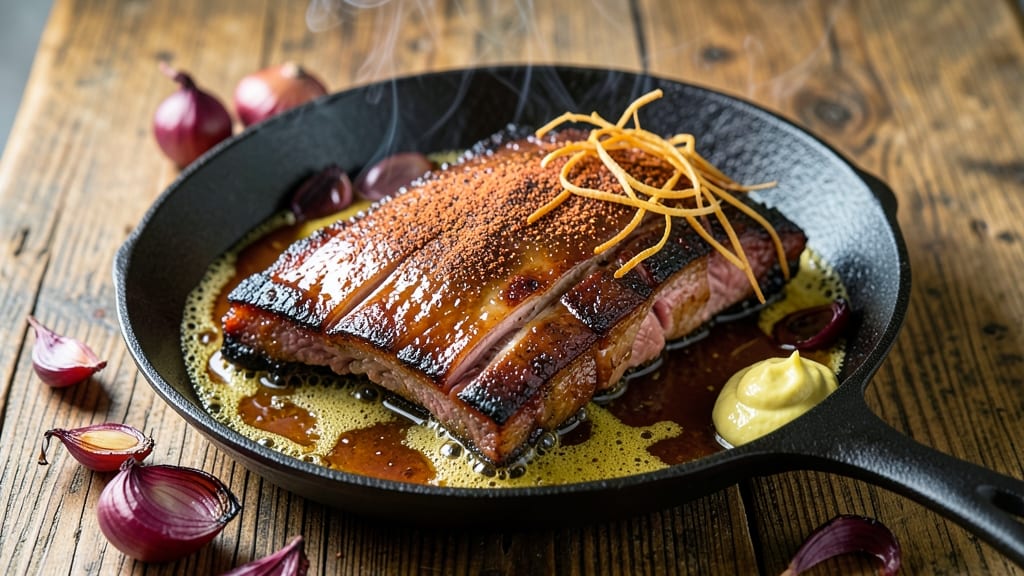
This Angus beef back ribs recipe delivers the perfect marriage of smoky crust and melt-in-your-mouth tenderness—exactly what serious barbecue lovers crave. 🔥 The secret lies in a dry brine that enhances natural beef flavors while a low-and-slow cook transforms tough connective tissue into buttery richness.
Unlike store-bought ribs, these are marbled with fat, making every bite juicy and unforgettable.
What sets this recipe apart is the two-stage cooking approach: start with a 325°F oven to render fat and tenderize, then finish on the grill for that coveted caramelized bark.
The result? Ribs that fall apart at the touch of a fork, with a flavor profile that balances smoky depth and beefy richness. No shortcuts here—just restaurant-quality results in your own kitchen.
By the time you slice into these ribs, you’ll understand why they’re worth the effort. The fall-off-the-bone texture paired with a crispy exterior makes them the centerpiece of any meal.
Serve with classic sides like baked beans or grilled corn, and pair with a bold red wine or craft beer to elevate the experience.
This isn’t just another ribs recipe—it’s a foolproof method that delivers consistent, showstopping results every time. Whether you’re grilling for a crowd or treating yourself to a special meal, these ribs will impress even the most discerning palates. Ready to master the art of slow-cooked beef?
Ingredients for angus beef back ribs
Six pounds of marbled Angus back ribs and a dry brine that transforms tough meat into melt-in-your-mouth perfection—this is your ultimate BBQ project.
| Ingredient | Amount | Notes |
|---|---|---|
| Angus Beef Back Ribs 🥩 | 4 lb | Bone-in, meaty sections preferred |
| Kosher Salt 🧂 | ½ cup | Diamond Crystal preferred for purity |
| Black Peppercorns 🌶️ | 1 tbsp | Freshly cracked for intensity |
| Garlic Powder 🧄 | 2 tbsp | Freshly ground preferred |
| Onion Powder 🧅 | 1 tbsp | For balanced dry rub |
| Smoked Paprika 🌶️ | 1 tbsp | For authentic smoky depth |
| Brown Sugar 🍯 | 2 tbsp | Light variety preferred |
| Yellow Mustard 🥬 | 2 tbsp | For binding and tang |
| Apple Cider Vinegar 🍎 | 1 tbsp | For tenderizing acidity |
| Olive Oil 🫒 | 2 tbsp | Extra-virgin for richness |
| Wood Chips (Hickory or Oak) 🌳 | 1 package | Soaked for 30 minutes |
| Charcoal Chunks 🔥 | 2 lb | For two-zone heat |
| Beef Stock 🍲 | 1 cup | Homemade or quality store-bought |
| Honey 🍯 | 2 tbsp | For glaze finish |
| Fresh Rosemary 🌿 | ¼ cup | Chopped, for aroma |
The ribs are non-negotiable—Angus beef with good marbling is what gives you that buttery texture. Costco or local butcher shops are your best bets for quality cuts. Look for ribs with a thick layer of fat along the bone—this is what renders down during cooking and keeps your meat moist. If you're buying a whole packer, ask for the meaty sections trimmed to about 1.5 inches thick. The kosher salt? Diamond Crystal dissolves better than table salt, so grab a box if you don't have it already. Freshly cracked peppercorns make all the difference—pre-ground loses its punch fast.
No smoked paprika? Regular paprika plus a pinch of liquid smoke works in a pinch, but you'll miss that authentic campfire flavor. Running low on beef stock? Water plus a bouillon cube gets you close, but the depth of real stock can't be replicated. The mustard and vinegar combo is what makes this dry brine special—it tenderizes while adding a subtle tang. Trader Joe's has great quality mustard at a reasonable price. For the wood chips, hickory gives you that classic BBQ flavor, but oak is more versatile if you're serving with lighter sides. If you can't find soaked chips, wrap them in foil with a little water and microwave for 3 minutes—quick fix that works.
Prep the ribs the night before—pat them dry, apply the dry brine mix, and let them sit uncovered in the fridge for 12-24 hours. This isn't just salting; it's a flavor infusion. The ribs will keep in the fridge for 2 days after brining, but cook them within that window for best results. For the wood chips, store them in a sealed container in the freezer—they'll last 6-12 months that way. The glaze keeps for 1 week in the fridge, so make extra if you're feeding a crowd. These ribs reheat beautifully—just wrap them in foil and warm in a 275°F oven for 20 minutes—they'll be just as tender as day one.
Why You'll Love This Recipe
- No-Fuss Seasoning: I swear by this combo—just salt, pepper, garlic, and onion powder rubbed in. No fancy marinades or last-minute shopping. The ribs practically season themselves while they cook, and honestly? That’s half the battle won.
- Rich, Meat-Focused Flavor: Angus beef back ribs are already melt-in-your-mouth tender, but the dry rub clings to every bone like it’s been there for days. The garlic and onion powder give it a savory punch without overpowering—just pure, satisfying beefiness.
- Tailgate or Dinner Party: Between us, these ribs are my go-to for game day or when I’m feeding a crowd. They’re hearty enough for a big spread but simple enough to make when my in-laws drop by unexpectedly. (Yes, even on a Tuesday night.)
- Leftovers That Don’t Suck: Most recipes leave ribs dry or bland the second day, but this method keeps them moist and flavorful. I’ll wrap them up and reheat in the oven—still juicy, still delicious. And because they’re budget-friendly, I don’t feel guilty making extra.
Step-by-step instructions for dry-brined Angus beef back ribs
Here's how to transform tough ribs into melt-in-your-mouth perfection with a crispy crust.
👨🍳 Step 1: Dry-Brining the Ribs for Maximum Flavor
Start by placing the 4 lb Angus Beef Back Ribs in a large, shallow container or zip-top bag. In a separate bowl, combine the 0.5 cup Kosher Salt, 1 tbsp Black Peppercorns (freshly cracked), 2 tbsp Garlic Powder, 1 tbsp Onion Powder, 1 tbsp Smoked Paprika, and 2 tbsp Brown Sugar. Mix well to create a coarse, even-textured dry rub.
Generously coat the ribs with the rub, pressing it into the meat so it adheres well. Here's the thing—don't skip this step. The salt needs time to penetrate the meat, breaking down tough fibers while creating that coveted crust. Cover the container loosely with plastic wrap and refrigerate for 24 hours. This dry-brine method works magic, transforming tough meat into tender, flavorful slices.
🍳 Step 2: Prepare the Wood Chips and Charcoal
While the ribs brine, soak the 1 package Wood Chips (Hickory or Oak) in water for 30 minutes to prevent flare-ups. Set up your smoker or grill for a two-zone cook. Divide the 2 lb Charcoal Chunks into two piles—one for direct heat and one for indirect heat. Light the direct heat side first, then let it burn until it's covered with white ash before adding the soaked wood chips.
Once the wood chips start smoking steadily (you'll see thin, blue smoke), it's time to move the ribs. The key here is patience—rushing the setup leads to uneven cooking. Let the smoker reach a steady temperature of 225°F before adding the ribs. This low-and-slow approach ensures tender meat without drying it out.
🔥 Step 3: Smoke the Ribs Low and Slow
Place the brined ribs on the cooler side of the smoker, meaty-side up. Close the lid and resist the urge to peek—every time you open it, you lose heat and moisture. Smoke the ribs for 6 hours, maintaining a temperature between 225-250°F. You'll know it's time to check when the internal temperature reaches 165°F—this is called "the stall," and it's normal.
Here's where the magic happens: wrap the ribs tightly in heavy-duty aluminum foil with the 1 cup Beef Stock, 2 tbsp Yellow Mustard, 1 tbsp Apple Cider Vinegar, and 0.25 cup Fresh Rosemary. The mustard and vinegar add tang, while the rosemary infuses the meat with aromatic depth. Return the wrapped ribs to the smoker and continue cooking until the internal temperature hits 203°F (about 2-3 more hours).
🥘 Step 4: Glaze and Finish
Remove the ribs from the smoker and unwrap them carefully. In a small saucepan, combine 2 tbsp Olive Oil, 2 tbsp Honey, and 1 tbsp Apple Cider Vinegar. Heat over medium heat until the honey melts and the mixture thickens slightly. Brush this glaze generously over the ribs, letting it caramelize for 5-7 minutes on the grill or in a hot skillet.
The glaze should form a sticky, amber crust—this is your signal to serve. The ribs should be fork-tender with a deep mahogany bark. If the glaze sets too quickly, reheat it gently and reapply. Let the ribs rest for 10 minutes before slicing against the grain for maximum tenderness.
Pro Tips For Making Angus Beef Back Ribs
- Trim the Silver Skin: Angus back ribs come with that thin, papery membrane on the bone side—peel it off before seasoning. I used to skip this and wondered why my ribs never felt as tender; that membrane just holds onto moisture like a cheap towel.
- Season Like It’s 1999: Generously coat the ribs with kosher salt before the oven—at least 30 minutes ahead. Freshly ground black peppercorns (not the pre-ground stuff) add bite, but don’t skip the garlic and onion powders; they’re the flavor glue that sticks after hours in the oven.
- Start Hot, Finish Slow: Sear the ribs over direct heat for 5 minutes per side until deeply browned—this isn’t optional. Then, wrap them in foil and bake at 275°F (135°C) until they’re fork-tender, not just cooked. Rushing the low-and-slow part is how you end up with chewy ribs.
- Save the Bones: When cutting the ribs into individual chops, don’t toss the bones—they’re packed with flavor. Toss them in a pot with a splash of water, a pinch of salt, and a splash of vinegar for a quick, smoky broth. (Yes, even if you’re not making gravy.)
Flavor customization for angus beef back ribs
Sweet Heat Profile
For a caramelized sweetness with a subtle kick, add 2 tbsp brown sugar to your dry rub and boost it with 1 tbsp smoked paprika. Brush the ribs with a glaze of 2 tbsp honey mixed with 1 tbsp apple cider vinegar during the final 10 minutes of cooking.
This creates a sticky, amber crust that balances smoky depth with a touch of heat from the vinegar. 🔥
Smoky Spice Fusion
Infuse global flavors by mixing 1 tbsp chili powder, 1 tsp ground cumin, and ½ tsp cayenne pepper into your dry rub. For extra depth, add 1 tbsp coffee grounds to enhance the smoky profile.
This works beautifully with hickory wood chips, creating a Southwestern-inspired twist on classic beef ribs.
Herb-Forward Variation
Swap smoked paprika for 1 tbsp dried thyme and 1 tsp dried oregano to emphasize earthy, aromatic notes. Finish with a sprig of fresh rosemary tied to each rib bone during smoking. The result is a fragrant, herbaceous flavor that pairs perfectly with a crisp white wine or light lager.
Bold Umami Boost
Elevate the richness by incorporating 1 tbsp soy sauce and 1 tbsp Worcestershire sauce into your dry rub. For extra umami, add 1 tbsp beef bouillon powder to the beef stock used for wrapping. This deepens the savory profile while maintaining the buttery tenderness of the Angus beef.
Citrus Zing Finish
Brighten the flavor profile with a citrus glaze made from 2 tbsp orange juice, 1 tbsp honey, and ½ tsp grated orange zest. Brush this over the ribs during the final 5 minutes of cooking.
The acidity cuts through the richness, adding a refreshing contrast that keeps every bite vibrant.
Garlic Butter Glaze
For a luxurious finish, melt 2 tbsp butter, 2 minced garlic cloves, and 1 tbsp fresh parsley into a sauce. Brush this over the ribs after removing them from the smoker. The garlic butter adds a velvety richness that complements the smoky crust beautifully.
Nutrition facts
Frequently asked questions
How long should I let the ribs rest after cooking?
Always let the ribs rest for 10-15 minutes before slicing. This allows the juices to redistribute, ensuring every bite stays moist and tender. Skipping this step can make the meat dry out as you cut into it.
Can I substitute hickory wood chips with something else?
Oak chips work beautifully for a milder flavor, while pecan adds a subtle sweetness. For a bolder taste, try cherry or mesquite—but start with a 50/50 mix if you're new to these woods. Just ensure the chips are soaked for 30 minutes before using.
Why do my ribs sometimes turn out dry?
Overcooking beyond 203°F internal temp is the #1 cause. Also, peeking too often disrupts the moisture. Wrap the ribs tightly in foil during the cook to trap steam, and avoid opening the smoker/grill unless necessary. A meat thermometer is your best friend here!
What's the best way to reheat leftover ribs?
Wrap the ribs in foil and reheat at 275°F for 15-20 minutes. The low heat prevents drying while keeping the texture tender. For extra flavor, add a splash of beef broth to the foil before reheating. Never microwave—it ruins the texture!
How do I know when the ribs are fully cooked?
Use a meat thermometer to check the internal temperature at the thickest part—it should read 203°F for perfect tenderness. The ribs should also pull away from the bone slightly when gently probed. If using the "bend test," the bones should bend but not break.